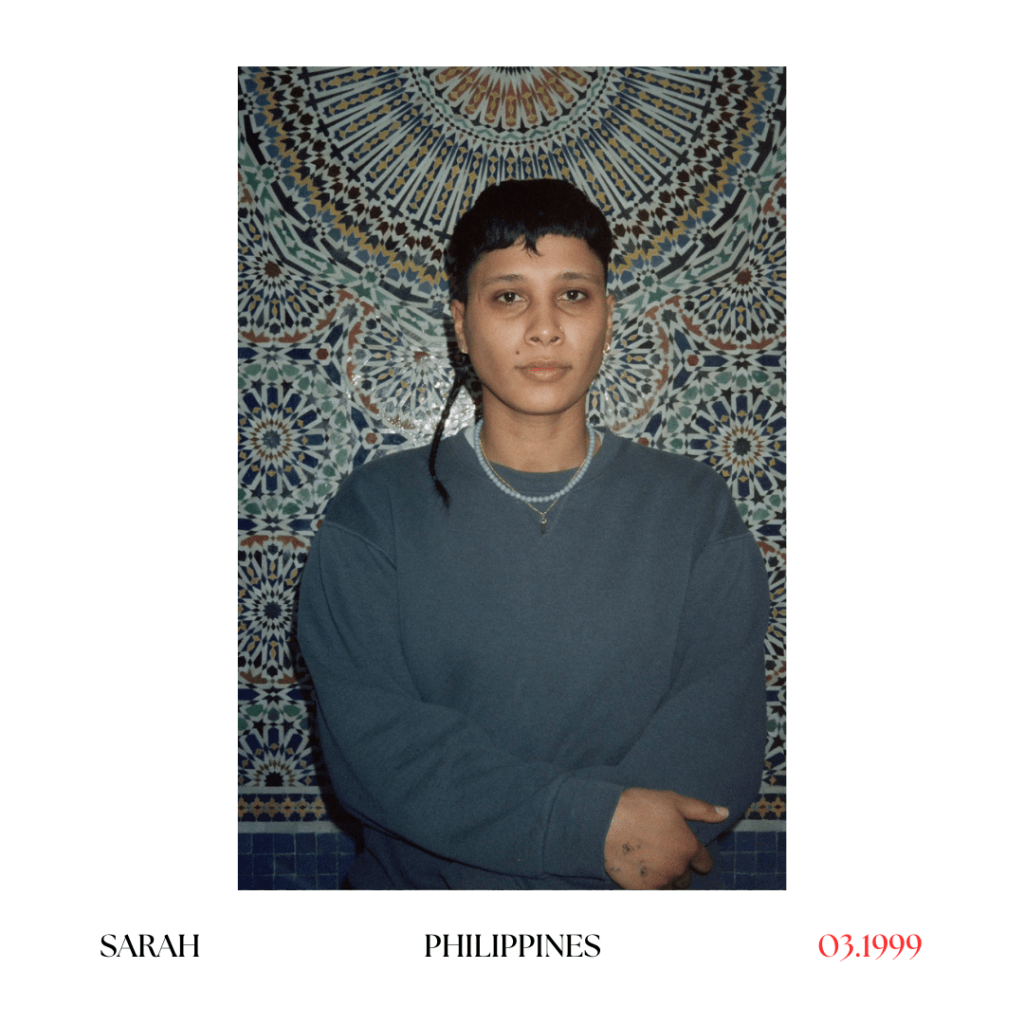
My name is Sarah (Sah-rah). I’ve recently reclaimed my adoptive name to represent as if I were to go to my native land, how they would pronounce my name.I am a non-binary adoptee and my pronouns are they/them.
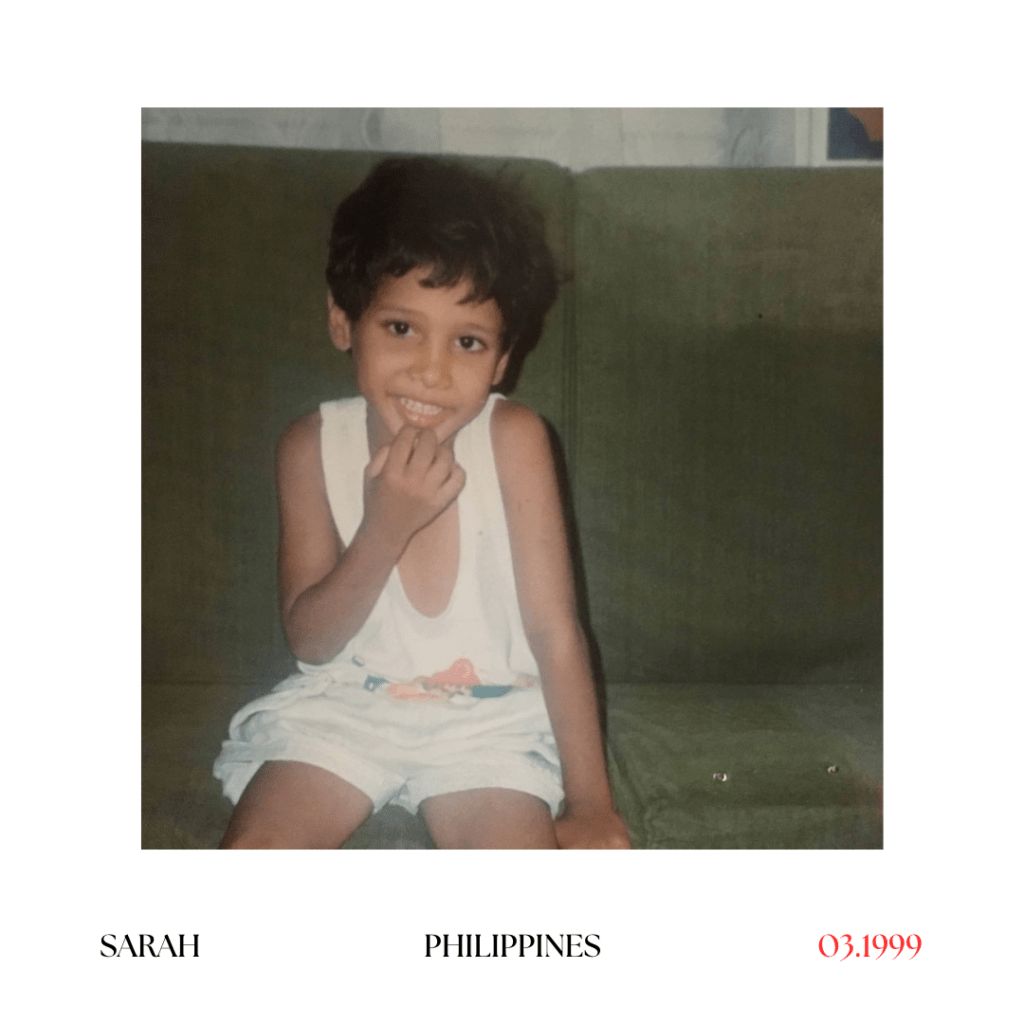
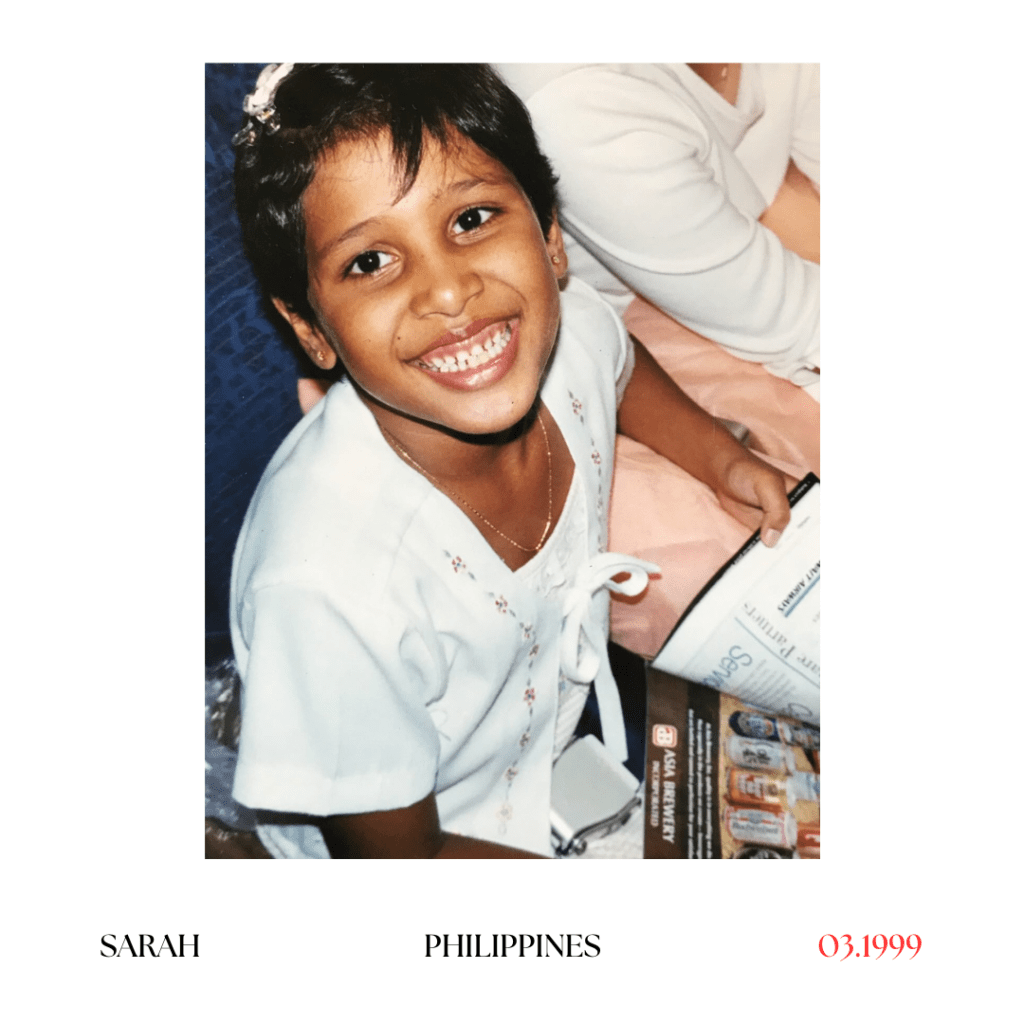
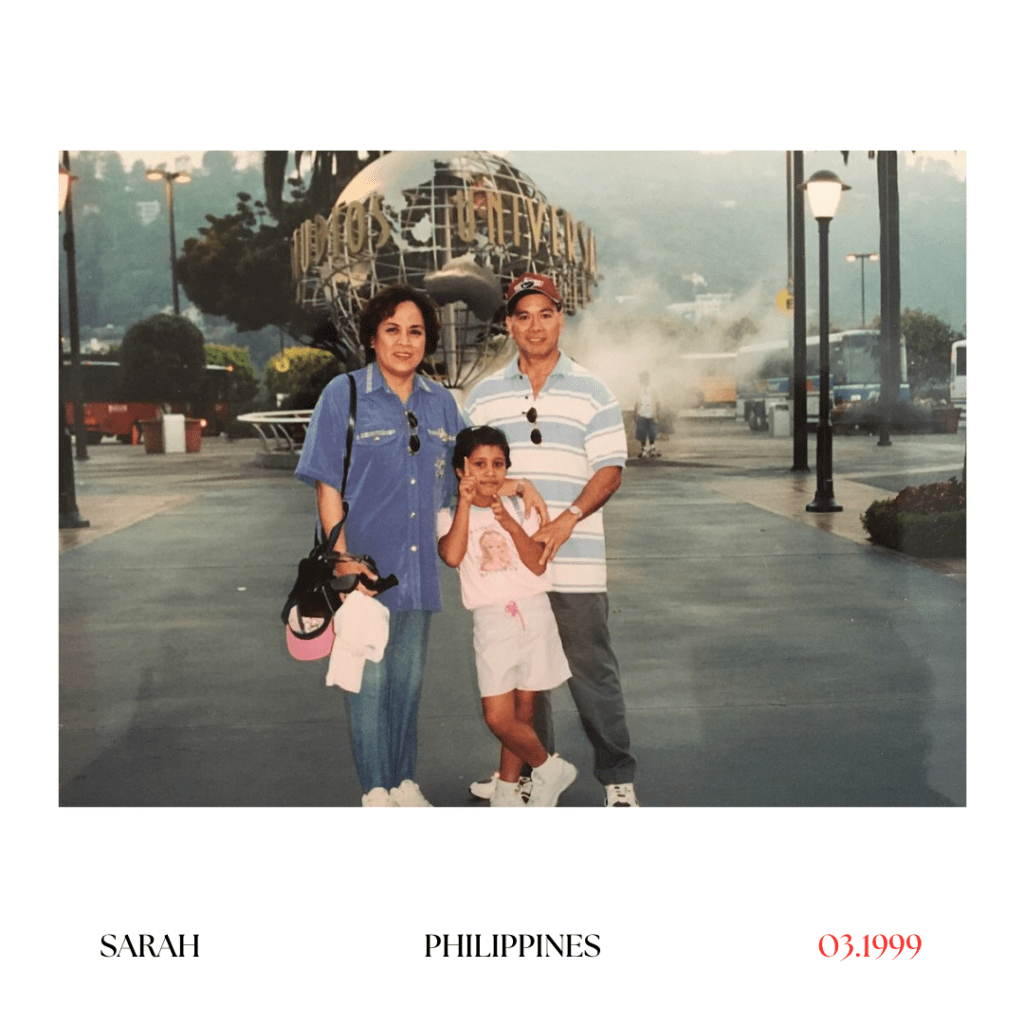
I grew up in the Bay Area, California, in the East Bay and I’m currently living in Sacramento. I was adopted at the age of 6 from the Philippines and moved to California from that point.
I’m an international adoptee from the Philippines. I was adopted at 6 by a Filipino couple, at that time they were in their 50s. I moved to the Bay Area and my adoptive parents were already settled in California since the 1970s. The community I was surrounded by was southeast asians so I grew up in my culture. I am multiracial I’m Afro-Arab and Filipinx Growing up in a predominantly Filipino community in Union City, CA, I was privileged to live around Filipino grocery stores and hear my native dialect. Union City is known to be a “compassionate city” and I believe that speaks to the cultures that surround that location. At that time I was practicing Catholicism, so the majority of the folks at my church were Filipino. I was also attending a high school that was very diverse, and there were also a lot of Filipinos there. So just the proximity of it, I was very close to my culture, but the downside of it was that people never really saw me as Filipino.
They would always guess what I was and were always wrong. So in a lot of sense, hearing a lot about transracial adoptee experiences, and having to go through those things, I do think there are some similarities with same-race adoptees. I had to assimilate to the Western culture because that’s what my adoptive family was showing and teaching me. I didn’t really speak much Tagalog as I grew older and built a sense of shyness around it because in elementary school I would get teased for my accent and sometimes it was coming from my cousins. I can still speak it a little bit now and I definitely understand all of it, but just going through the process of my adoption and realizing different things at different points in my life, it really showed the assimilation piece and how I was contending with my adoptive family’s internalized racism in a sense.
When they adopted me, they bought a lot of papaya soap, which is good for skin whitening. I also had more of a kinky or wavy hair, and some of my family didn’t really welcome that. So I was encouraged to straighten my hair with chemicals where it would stay for a couple of months. And being out as a queer/non-binary person now and reflecting on all the ways some of my family members conditioned me to dress more feminine or hold myself in such a manner that it became some of the unlearning I needed to do to become who I want and proud to be.
My adoption is closed and my parents wanted it to be a secret amongst us, but being adopted at the age of 6, I remembered a lot of my story and remember growing up getting the messaging that I shouldn’t share this with anybody else. They thought people didn’t care and would often question why I would even want to share that. So to them, the lens that they were viewing was more of a shameful thing. I definitely carried their shame and guilt on top of the shame I brought onto myself for being abandoned/unwanted. I was kind of harboring that within myself. I remember when I was younger, maybe in second or third grade, I was more out about being adopted in the sense that if I got close to somebody, I would tell them my story as if it was this magical thing. And I think in a lot of ways I needed to be able to share my story at an early age to really process it and still hold onto that part of myself.
But as I grew older, the shame became bigger and bigger, it was more something that I kept to myself. So middle school was very tough. I think trying to figure out who you are in this world and just puberty and everything, all swept into one played a role in it. So I was a very angry person in middle school and very shy.
Towards the end of high school, I was really trying to figure out where I fit in. Junior year was when I really did not like my parents, they were controlling to the extent that they would control who I became friends with based on negative judgment towards that person. Senior year was when I didn’t have a lot of friends, not to say people didn’t like me or anything, but the people who I really consider my friends, there weren’t a lot of them. I became selective about the people I wanted to surround myself with.
I started getting into Eastern religion. I would go to the library and study those things, learn about them. Then I got into this elective called transpersonal psychology during my senior year, which was a catalyst to my, I guess you could say self-discovery in a sense. I learned about consciousness, meditation, yoga, and different modalities to help me figure out myself and my internal world. It was an awesome elective.
It really propelled me into self investigating, because no one else was giving me the answers. And to kind of back up a little bit there were numerous times where I would try to have those difficult conversations with my adoptive parents about how I wanted to search. And my adoptive mother, questioned, why would you wanna do that? The whole like, “you should be grateful”, “you’re lucky to have us” mantra. You were coming from a place that was essentially in poverty and why would you want to even consider that?
So there were multiple conversations like these where we would get into heated arguments and my adoptive mother would say some messed up, messed up things that distanced us even more. So from that point, it’s that messaging of “ohh you can’t come to these people to really express your feelings.” So what do you do next? You do things in hiding. You do things in secret. You learn to give those things (security, compassion, honesty, etc) you’re seeking to yourself.
Oftentimes when my parents weren’t home, I had a feeling that maybe there’s some type of file somewhere that I could find that would tell me about myself. It was a big thing, and I did find my binder or the little folder that the orphanage had made for me before I left to kind of remember where I was and stuff like that. And in that folder was my biological name. I hadn’t seen that in a very long time, so I remember when I put it back, weeks had passed and I was trying to play along with it and be like, “hey, Mom, do you have any of my adoption files?” I think there is something, you know, kind of led her in that direction and she did get it out.
But mind you, when she finally gave it to me, that page where I had my biological name, she took it out. So had I not seen that before her, I would have not known/remembered, so when she gave it to me and I actually checked and it was missing I confronted her about it which turned into a huge argument and raptured our relationship even more.
I’ve reclaimed my biological name, not for the public to use or anything. I mean, my wife does refer to me sometimes as Divina, and I’ve kind of created a relationship with it in a way when I’m doing an inner child creative project. I’ll refer to my inner child as Divina, so I have that distinction to re-parent myself in a sense.
Back to high school, Transpersonal Psychology taught me to really investigate my emotions and process them and then that kind of informed what I wanted to do when I grew up, which was to work with children. And as I was going through the process, I wanted to get my degree in transpersonal psychology and I was trying to figure out what I could do with that degree. And so I took my usual nap, and it gave me an idea/message of what I could do and it reminded me of the people who helped me at the orphanage or the people who worked there. I essentially wanted to do that.
So I was thinking, is there something out here in California that does that? I was looking and they didn’t have orphanages anymore at the time, or they didn’t call it that anymore, it was now called group homes.
In my early 20s, I started working in the foster care system with foster kids as a residential counselor at a group home. And while I was going to undergrad it was helping me a lot to formulate different things and it also helped me process my own things in different ways too.
That propelled and then I finally found my first adoptee support group in Oakland. Mind you, in order for me to find that, I was in this mode of binge-watching documentaries about adoptees. I remember watching Angela’s (Closure 2013) and Somewhere Between which was about a chinese adoptee living in Berkeley, CA. So I was hella geeked that these people were close, so I would watch these documentaries and then I would reach out to them. I watched, You Follow Me , by Nisha and I reached out to her since she was living in Sacramento. And mind you, I didn’t know my full ethnicity yet, so at some point I was like, “wait, Nisha and I are kind of giving the same vibe. Am I Indian? Am I from where she’s from?” You know how you always question?
So I reached out to her, and she told me about this support group that she went to, this adoption agency that she was associated with. They hold support groups and the person who facilitates the support group is also a Queer adoptee. So I was like, “whoa, that’s a thing? A Queer adoptee, having those identities together.” When I would meet someone who had a similar identity, I would geek about it.
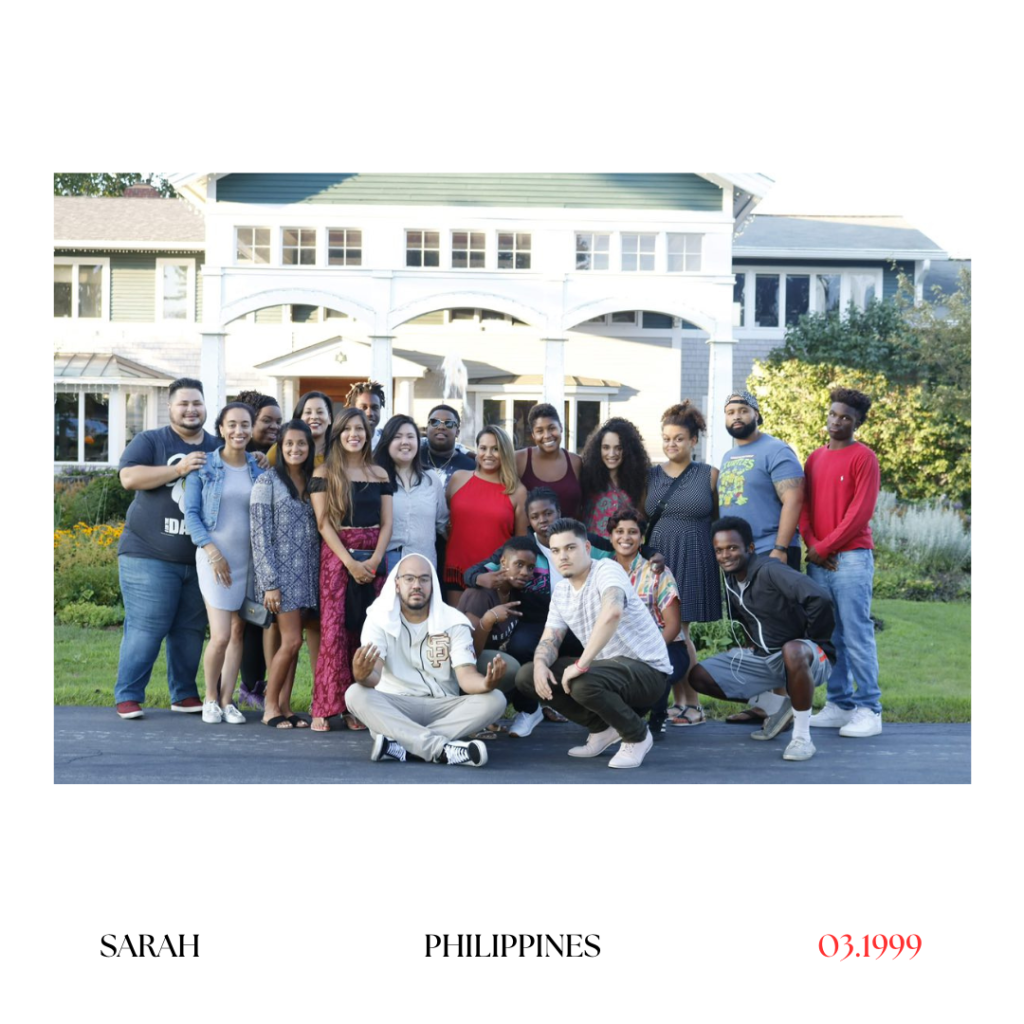
So long story short, I attended that support group. I think I was around 25 when I found this group and I kept going and I learned that they host an adoption camp for the Adoption Constellation (birth mothers, adoptive parents, adoptees, foster care alums, allies). So that kind of informed everything. I became part of that camp during the summertime.
I’m not associated with this adoption agency as much because I have a lot of thoughts about it, but I think at the time it did serve a lot of purpose for me and I’m very grateful for that. So I was a part of a panel and a conference and had different opportunities to share my story. So it’s just really nice in that way getting to be part of an adoptee community and meeting people. And that camp is essentially where I met my wife, who’s also a foster alum/adoptee. So that was really cool.
From that point I was still working at the residential group home for foster kids. And then I decided to go to grad school to become a therapist. Then I moved to Chicago–are you picking up on these movements that I’ve had in my life, it’s almost like I’m not gonna say destiny, but more like bread crumbs to my fate.
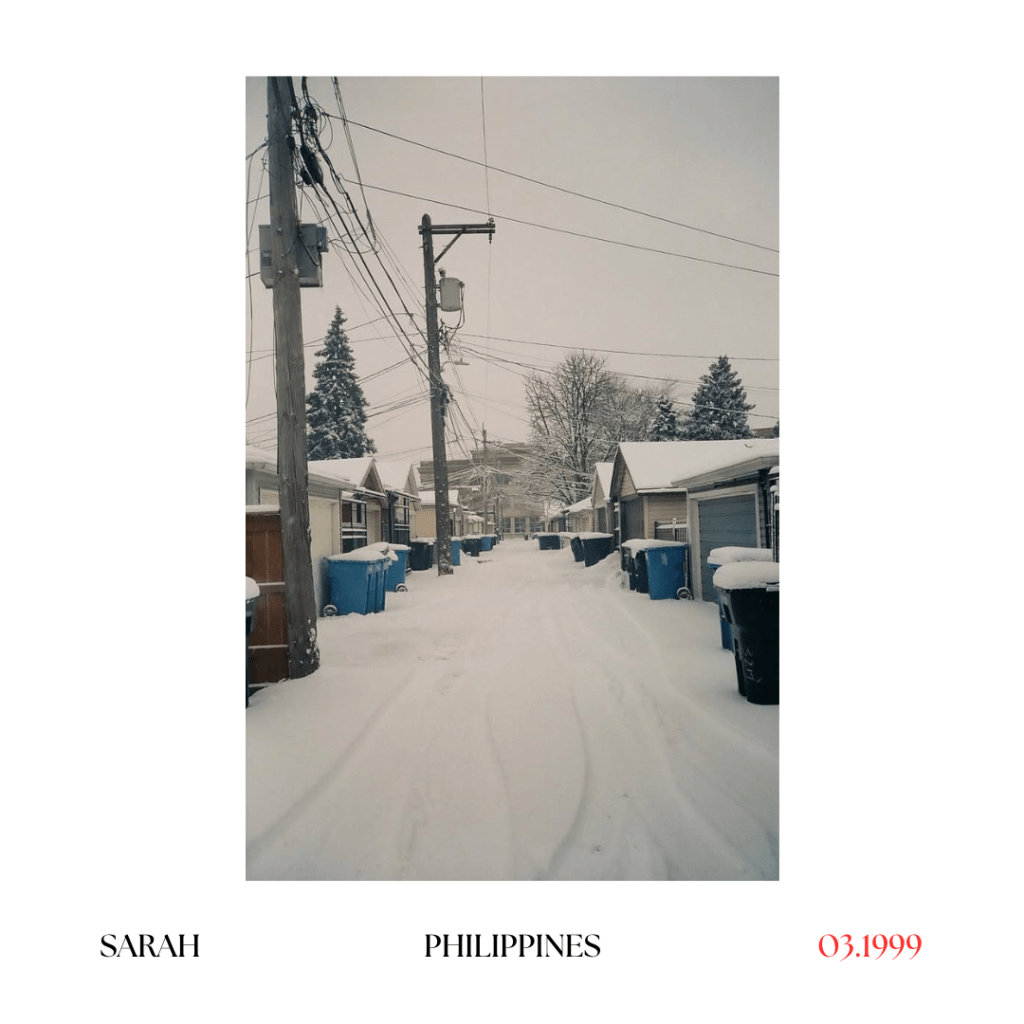
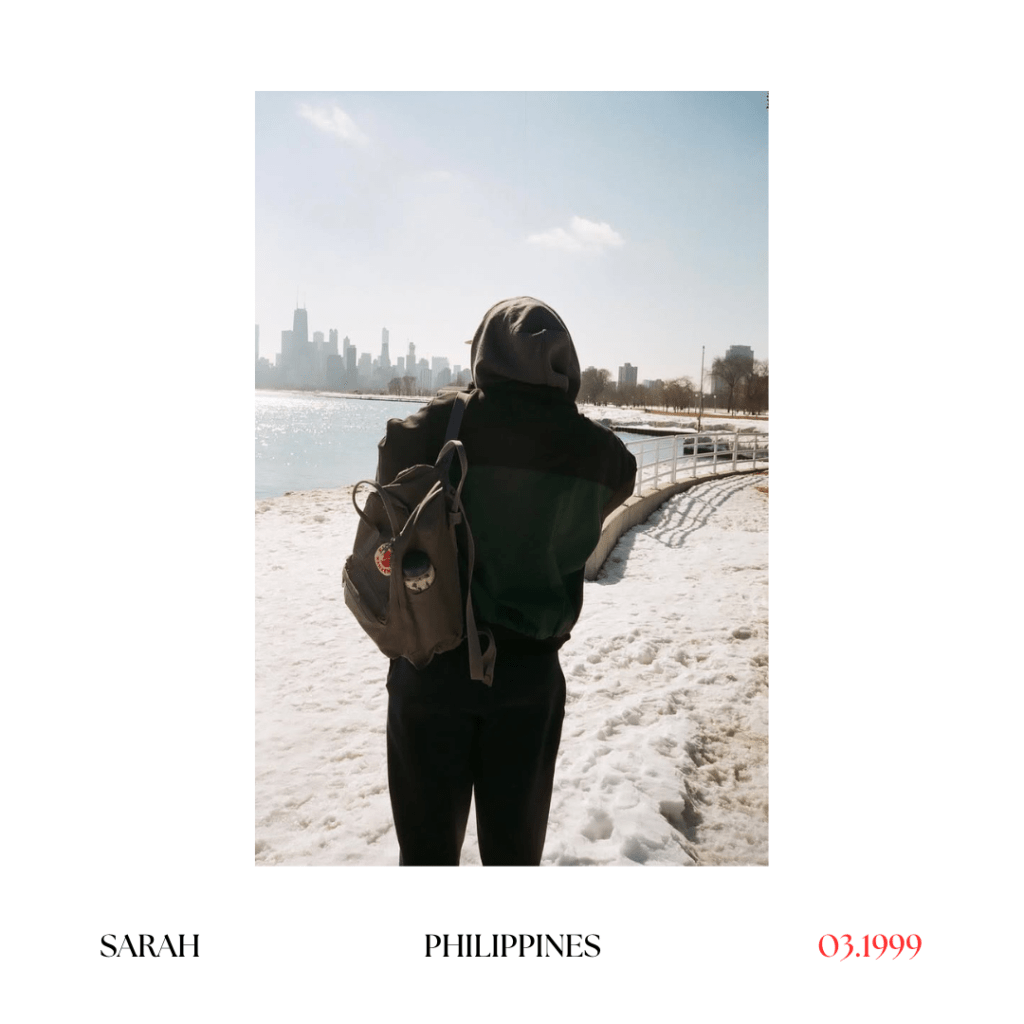
So I had moved to Chicago because my wife was living there for a while, but she’s originally from Sacramento, CA. And I remember Chicago, the air felt kind of familiar. At some point it was almost like the environment of Chicago opened up this sensory memory I would get, where it’s not a visual one where you could see, it was more like a felt thing. So I was getting that and I was thinking “why does this feel so familiar?’” And I’m just walking my dog through this alley, you know?
Just last year I got reunited with my biological siblings who are younger than me. So the correlation to that is that they were in Illinois this whole time. And I feel like me being in Chicago was a stepping stone to really feel them. I had been praying for them all along and was utilizing my spiritual practice to help find them.
They were adopted by white folks in Illinois and they were literally 2 hours and 30 minutes away from where I was, so I was really mind-blown. And it was crazy because we were planning for our wedding celebration at that time and I was telling my wife and she was so sweet. She made a TikTok because at some point there were a lot of reunions happening on there and people were making these videos like “I just got reunited with so and so.”
So my wife was like, let’s do that. Let’s try to do that because I really wanted a part of my biological family to attend my wedding. Obviously, you don’t really know what’s going to happen, so we made that TikTok and we didn’t really get anything but I’ve taken 23andMe and Ancestry years ago.
So tell me why I get this ping and I checked and I do every time, and they notify me saying I have 18 new relatives and you’re hoping at least one of them is related and it’s always not. They’re always like a sixth cousin or just too far apart, right? But this specific time, it was one of my brothers. And it was crazy. We had the same smile and everything, so I reached out. He said, ‘ohh yeah, I actually grew up with my younger brother, he got adopted with me” and I was like, wait, that’s my brother too!
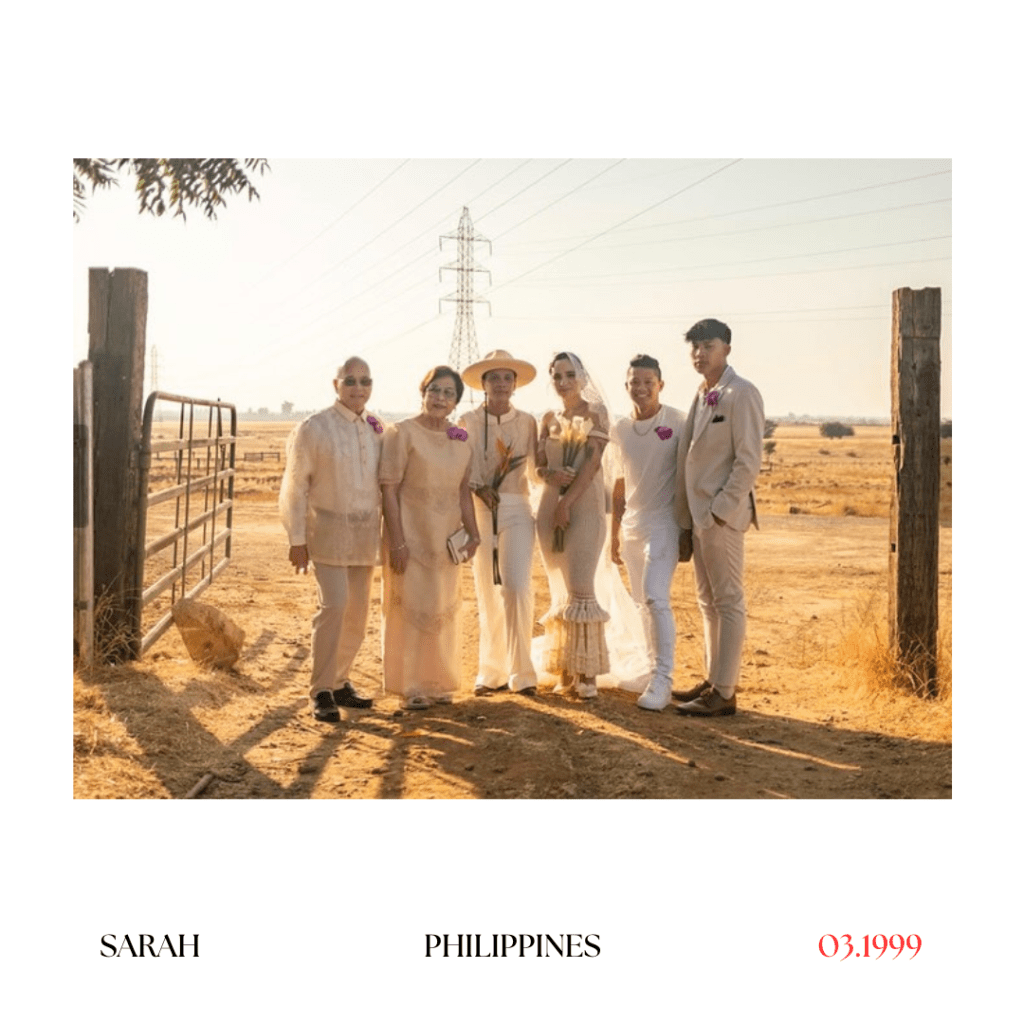
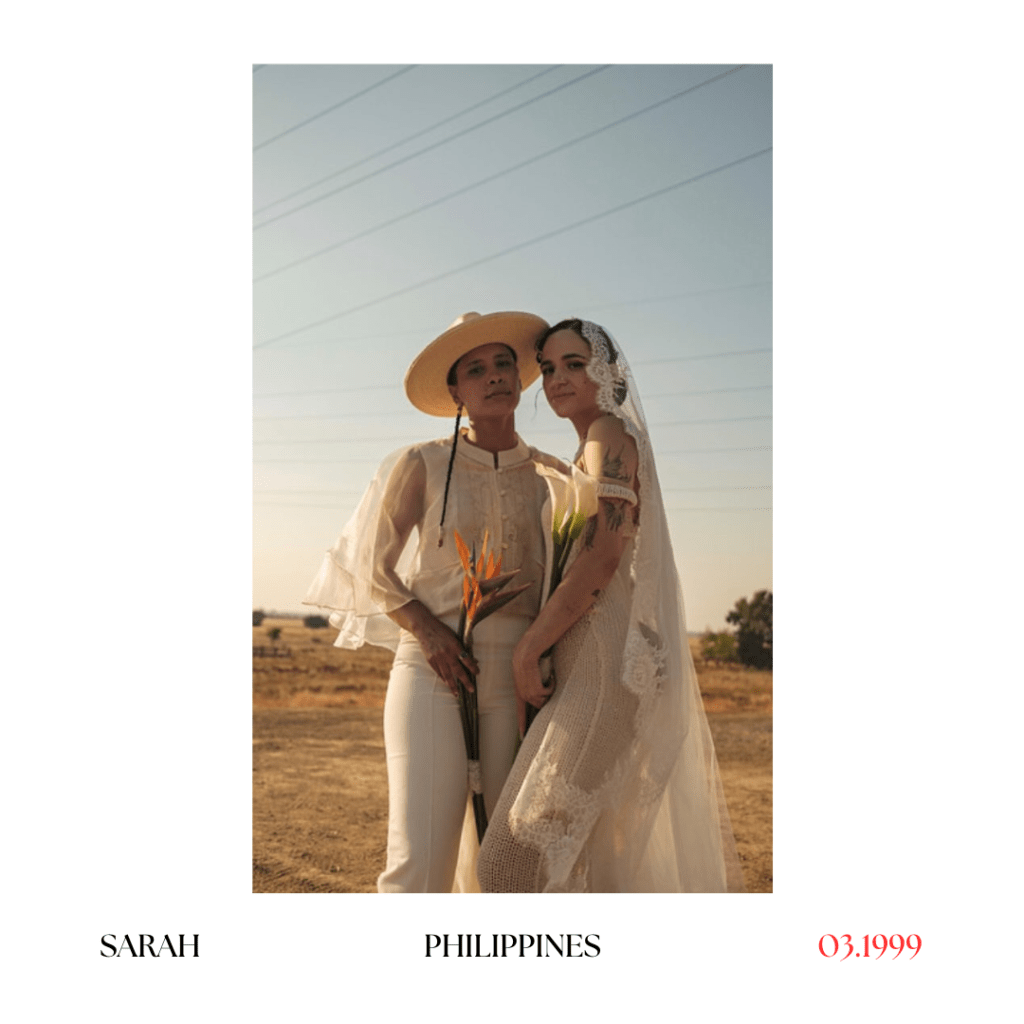
So they got to be part of my wedding in the brink of time. Imagine that happened in April and my wedding was in September. But it was just so beautiful because they were really so down and supportive. Being a non-binary adoptee I had those thoughts of having to come out twice (to my adoptive and birth family) and how that would be received.
Right when we found out, we visited and drove 2 hours and 30 minutes to get to the hometown where they grew up, which was such an interesting experience because it was predominantly a white town, and meeting their adoptive family brought so much curiosity.
I got married and we’re back in Sacramento. At this time in my life, I went back to work with foster kids after graduating from grad school. So currently I’m working with foster kids and CSEC population as a mental health rehabilitation specialist.
I also work with the Adoptee Mentoring Society. I do 1 to 1 mentorship and the lounges and I’ve been dreaming about creating my own workshops that I want to offer to y’all–so that’s in the works.
Nicole: Wow, that is all so lovely. This project is really it’s more than I could have expected–I just had this idea. I had this idea while I worked at this job and I was miserable. I didn’t know how to start something like this. So then I had the opportunity to come back to grad school and I thought, fuck it I’m gonna start this because why not, you know? And so then I did it and I don’t know, it’s just connected me to the coolest people. I feel honored to hear people’s stories. It’s been so lovely. I’m so grateful for this chance to try with this project.
Sarah: It’s really beautiful because we’re all like a seed for each other.
Nicole: Yes exactly. Back to your story. So working so closely with adoptees and foster children, along with having your own experiences too.
Can you talk a little about the impact it has on you?
Sarah: I genuinely think it’s my calling. It’s my purpose to serve this population and kids in general. So I feel like in that sense it is the heart of it and I feel like when you’re coming from the heart you move and contribute to this world in an authentic way. My spiritual practice has helped me face myself truthfully and honestly – to be able to identify what is needed and take care of myself in those ways in order to be of service. To be a pure vessel and do good.
How do you feel about adoption as an adult and has your perspective changed over the years?
Yeah, I would say 100%. It’s definitely changed over the years. Essentially, you grew up with your biological mother at a certain age, which is the formative years that you can have with her and being cut off from that and then having to reorient yourself and then move to a different country was a sadness and excitement on its own that I can’t really put words to, but it’s like being met with the duality of life all at the same time.
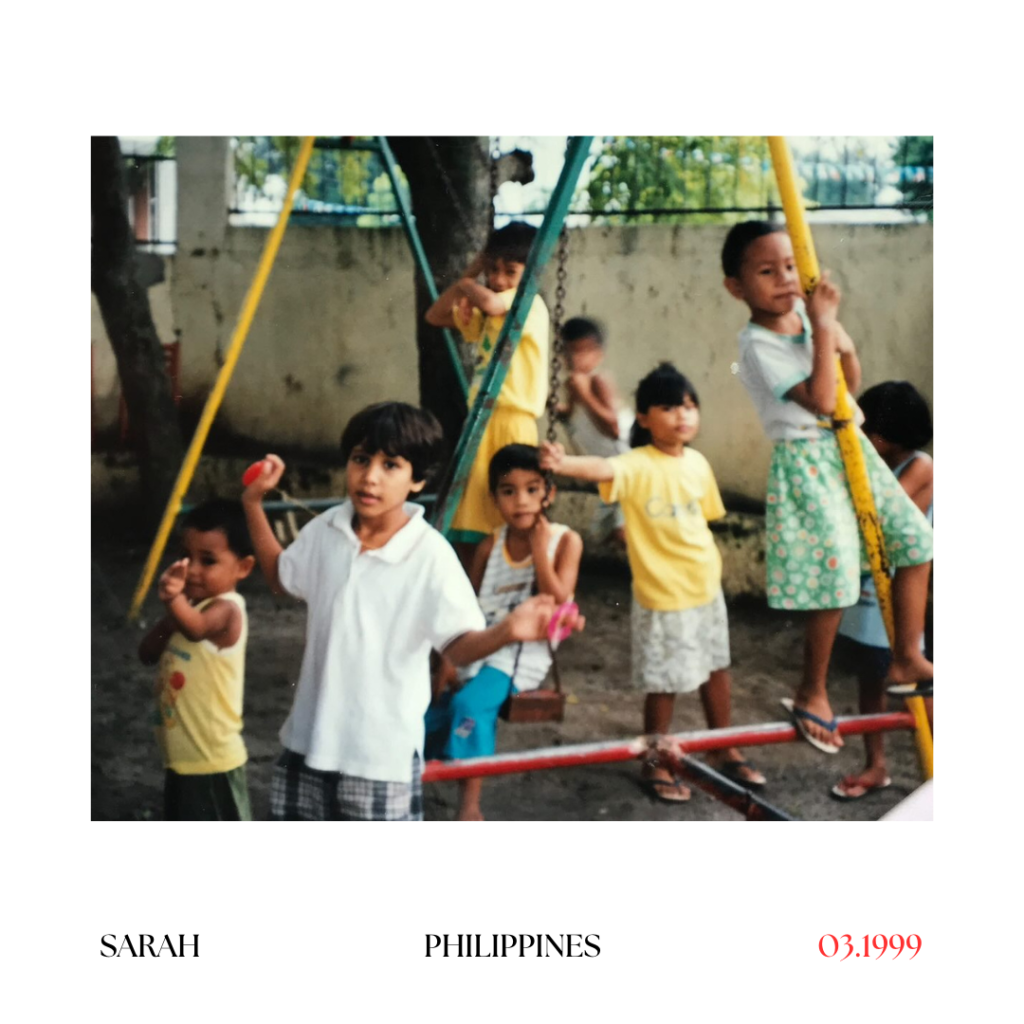
At that point, I was kind of bright-eyed as a kid when I moved to America because everything was new. At that moment, my adoptive parents, I still love them for sure, but it’s a different type of love, of just like wow they give me all these things, they give me a home, I have everything I need here, you know? Mind you, I was growing up in the opposite way. I remember living with my biological mother and two siblings, and we only had enough money to buy 2 eggs and there was no indoor plumbing nor furniture where we lived.
So living from that to living in a middle-class household was a whole different world. So with all the shiny things they do catch your eye and you know, you kind of forget, not forget, but it helps you feel nice and disassociate. It feels good, you don’t really feel the grief, but then as I grew older the message that I got from my upbringing was that you don’t talk about your adoption and that’s when the storm would roll in. And so it made me more quiet and isolated. That made me move in secrecy, and overshare to my friends or even trauma bond and be in toxic dynamics. . So my relationship with being adopted was filled with shame, insecurities, and anger from I would say middle school to high school.
Just hearing the word ‘adoption’ or ‘adopted’ in a textbook at school or a TV show or commercial just made me cringe, it put a cringe in my body. So it wasn’t until I started working with foster kids and reclaiming that for myself and admitting that I wanted to search during my senior year despite how my parents felt about it and really opening that conversation up at that time. That’s when my relationship with being an adoptee started to change. I started to take ownership of directing my life and trust in the direction my heart was leading me.
Identifying patterns within myself and choosing not to please people anymore was what allowed me to hear my wants, needs, and what I didn’t like. . And it solidified even more when I went to that support group for adoptees & foster alum, and I would hear the same stories/feelings that I was holding. In the moment, you finally feel like you’re not crazy and that your feelings are valid. When that narrative was more in my vicinity as opposed to the other narrative, was when things changed.. So now I’m so fucking proud.
The pride is at an all-time high I would say, I can be in a room with my family members and be okay to bring that up or express my boundaries to people. And now working with the population again and wanting to do more work with that. I’m very proud, very, very proud.
Do you have any advice for people who have struggled with people pleasing in their lives?
Nicole: After doing a lot of these interviews and speaking with different adoptees there’s been a common thread of people pleasing so that’s why I added that 🙂
I think it’s great that you’re reflecting on the whole totality of it. What is the theme? I hear that as well in other adoptee spaces.
In regards to my advice to folks about people pleasing, I think it’s a muscle that has served us in a lot of ways and has protected us. But we also need to take into account that with people pleasing you’re not allowing yourself to be truly seen because of the fear of being rejected and believing that messaging that what you’re seeking is outside of yourself.
I think things do change for people-pleasers when they start doing the opposite, which is essentially thinking about yourself first and inquiring within yourself. What boundaries do you have? Inquiring about your values. Inquiring about you know what brings you joy. What spaces make you feel alive as opposed to dimmed? Really taking the time and energy that you use to people please to invest and give those things to yourself and to get to know yourself will help diminish the people pleasing. There’s no special recipe that people can follow to break their people-pleasing habit. I think it’s a relationship that needs to come from yourself and you have to really invest in it and look at yourself truthfully.
And once you feel that love or that thing that makes you feel at peace, you can’t go back from that you know? Once you feel that feeling and knowing you did that all on your own, there’s no going back to thinking like “ohh, that’s outside of me.” You know what I’m saying? And being in the uncomfortable is very much part of it.
Nicole: I love how you refer to it as a muscle. And I like how you honor the fact that it served its purpose, but can’t serve you forever.
No, definitely. The saying that keeps coming back to me is “You are the person that you’ve been waiting for”.
Enter your email below to follow along.
© Rebirth Adoptee Stories

 Rebirth