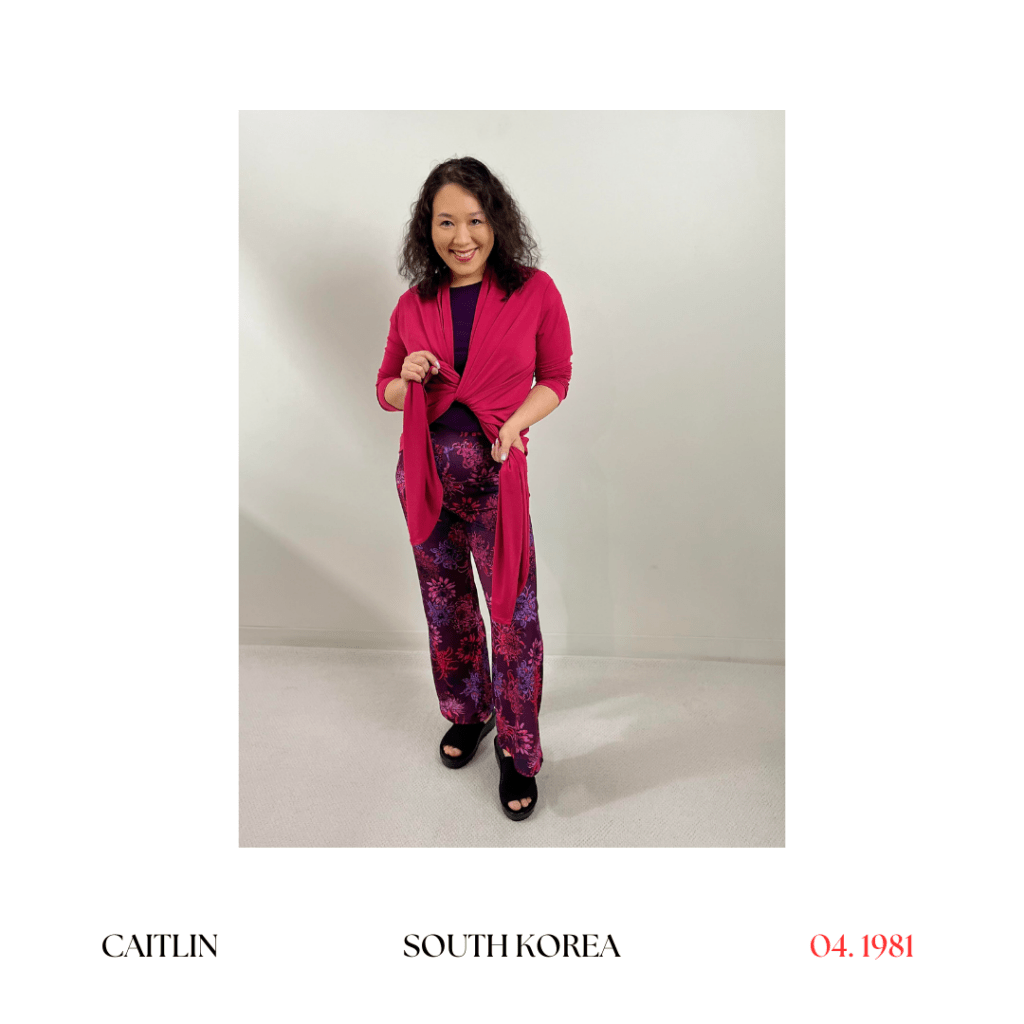
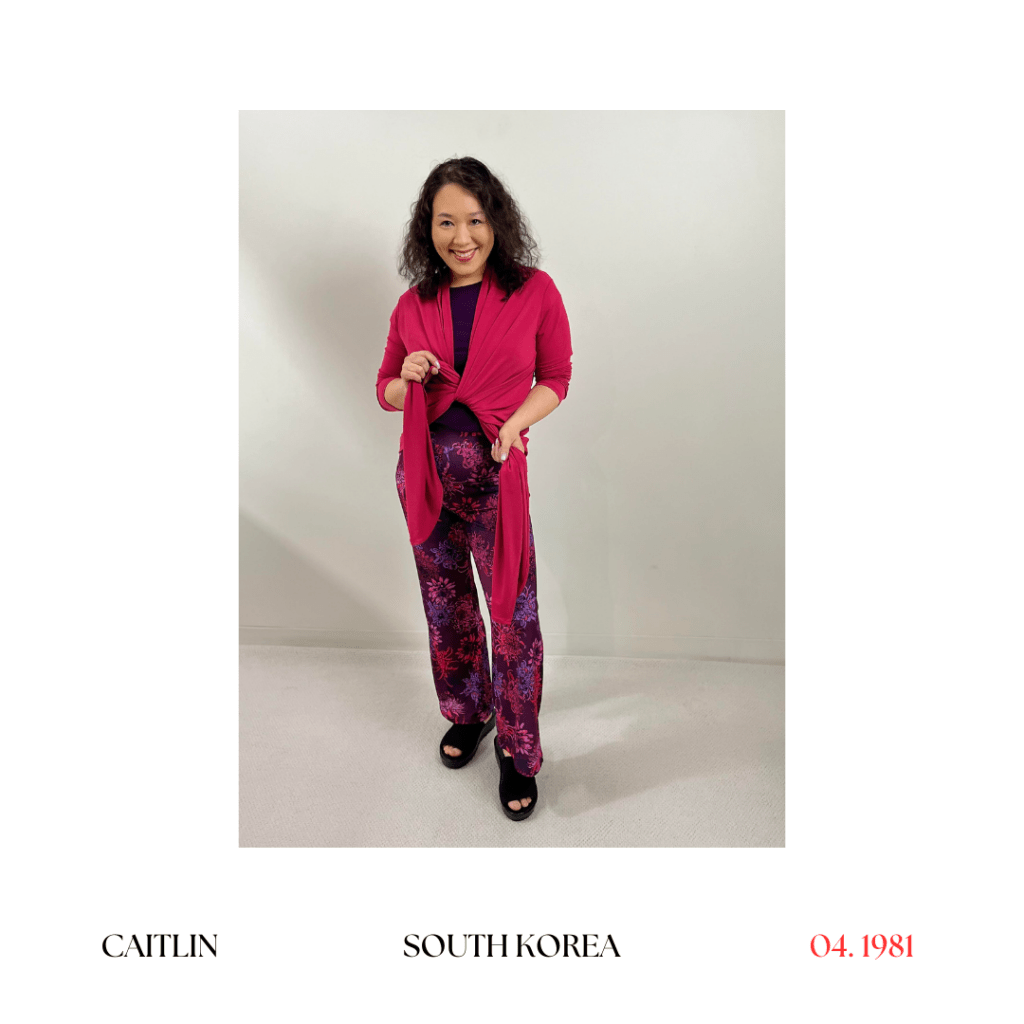
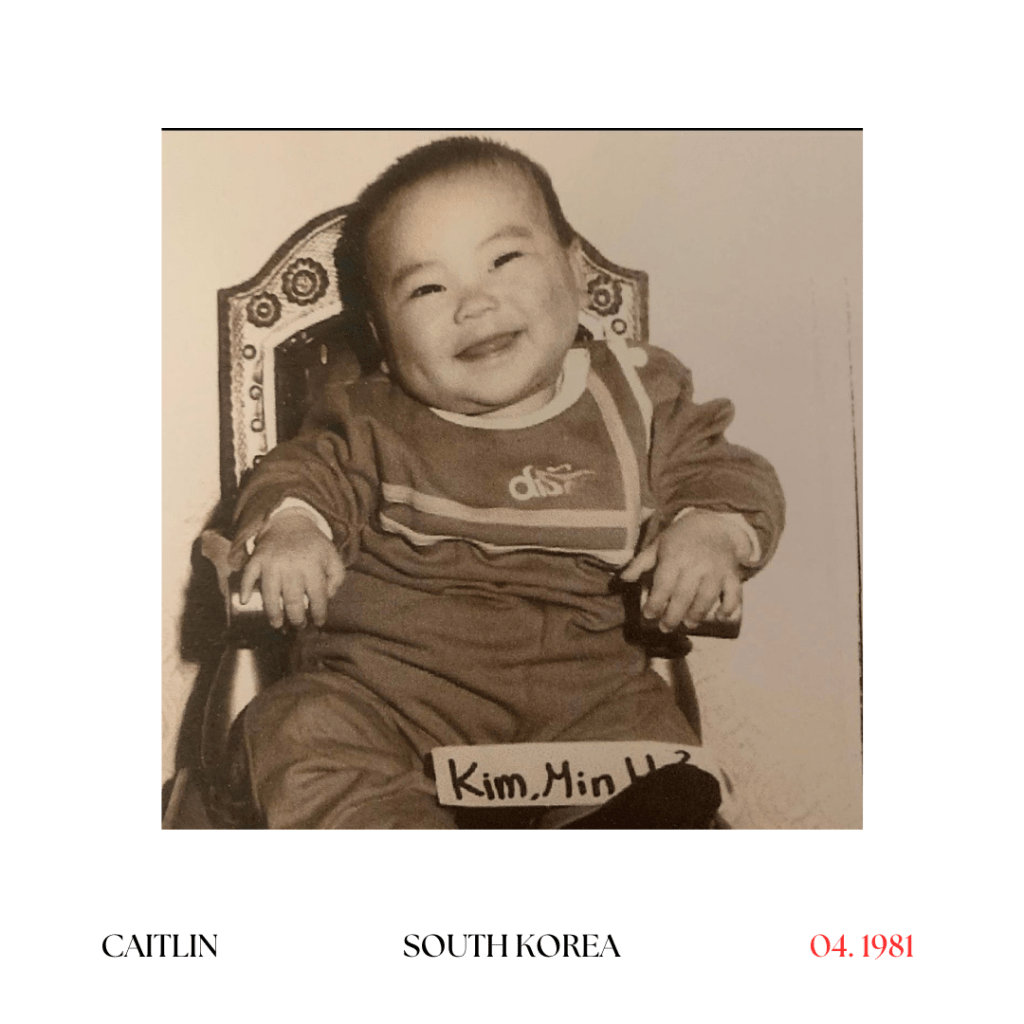
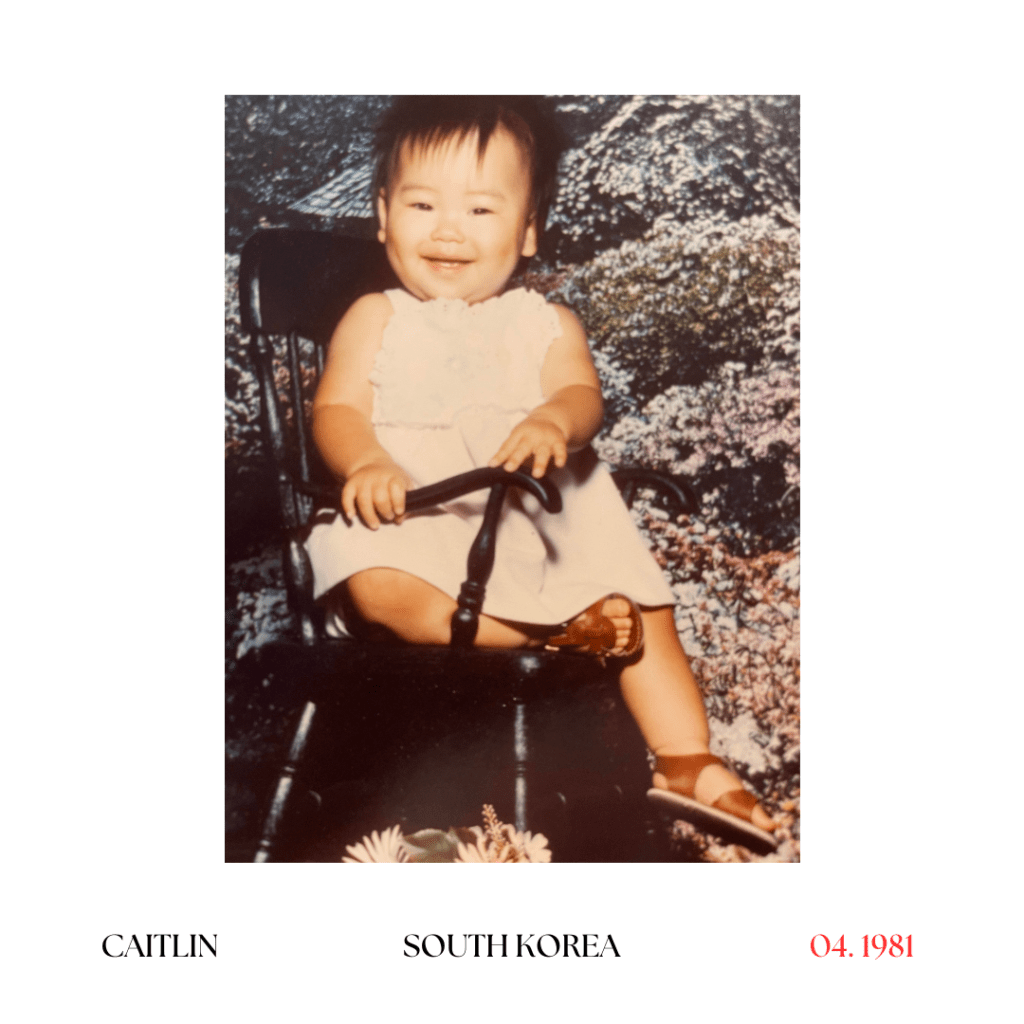
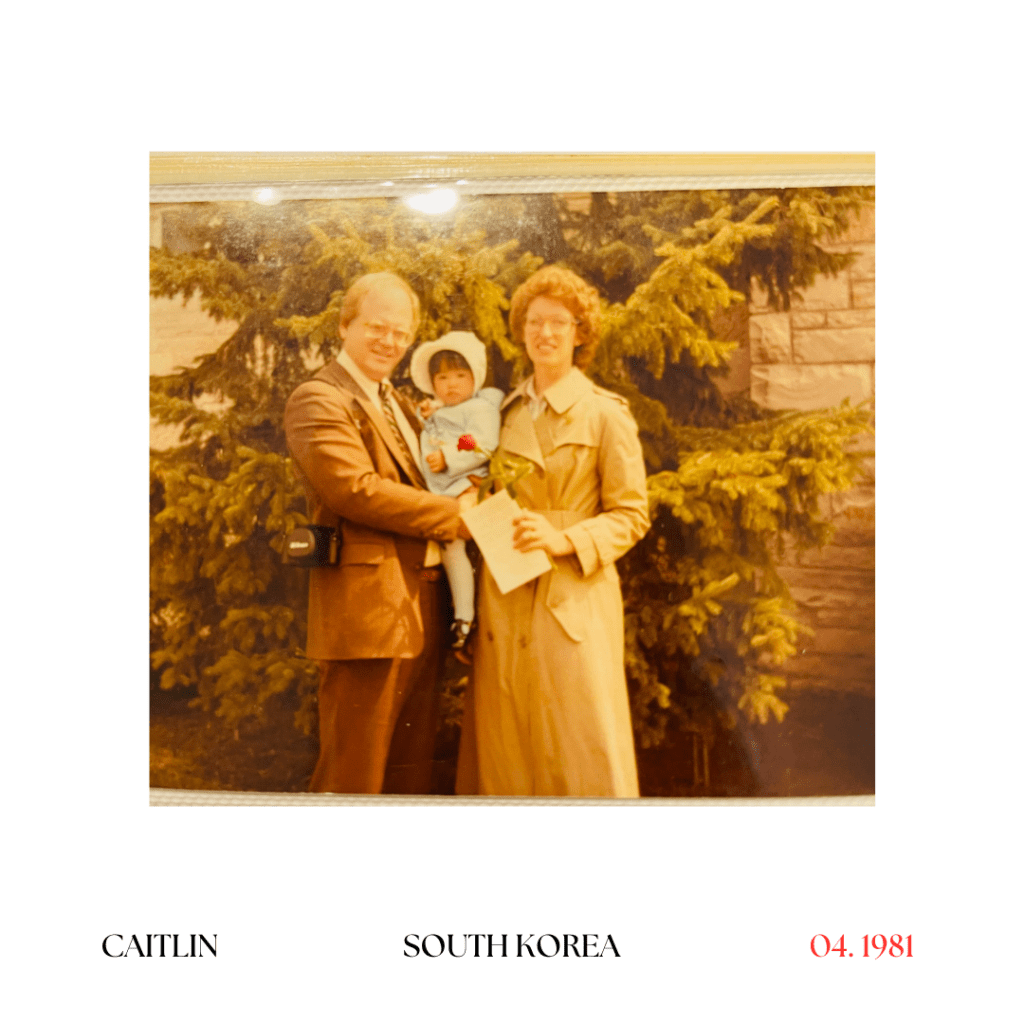
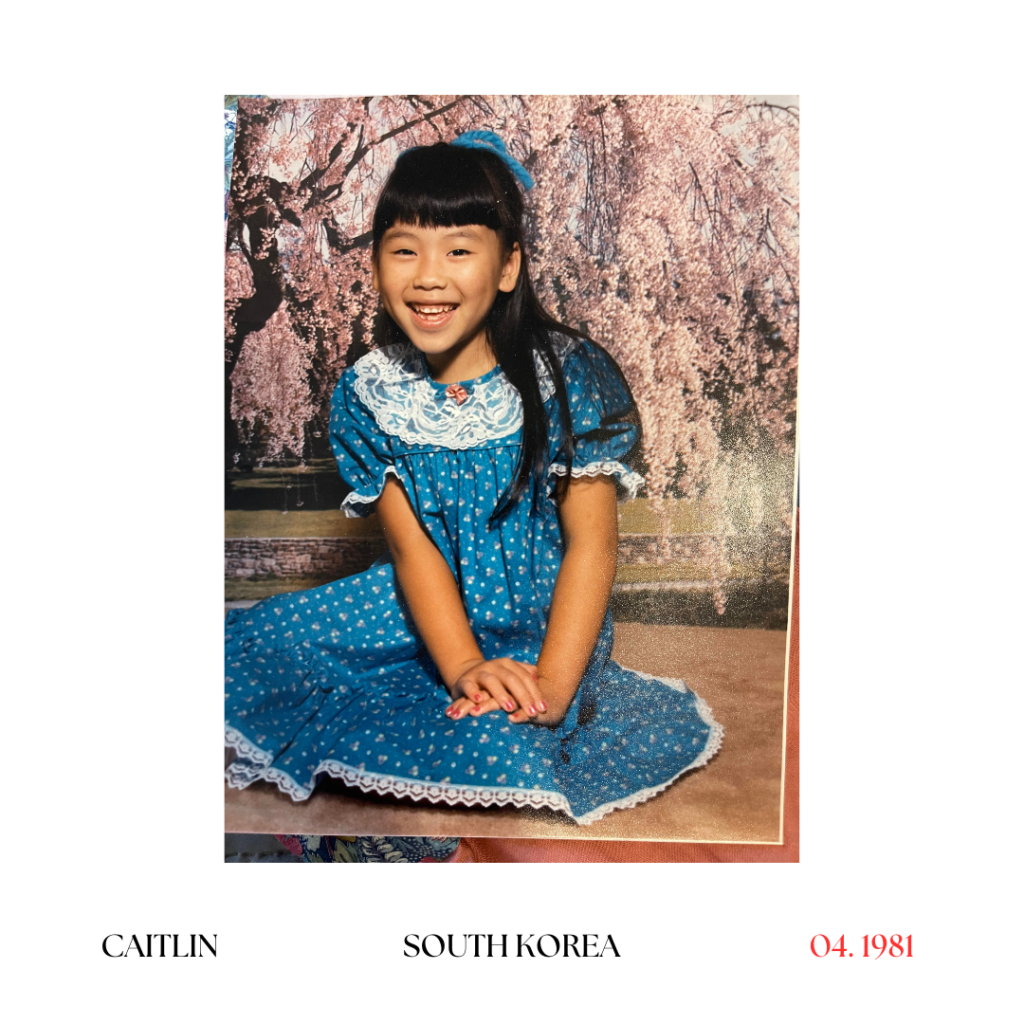
My name is Caitlin, and I grew up in Minnesota and I live in Burnsville now. I was born in Seoul, South Korea in 1980, and I was adopted when I was nine months old by a family from Minnesota.
I grew up in Minnesota and being a bit naive, I didn’t know there were as many adoptees as there are. I thought I was the only one, but I later found out that there are actually 10,000 Korean adoptees in Minnesota, and I didn’t know that until later in life.
And I really didn’t have a sense of being adopted when I was a kid. It was my life and I accepted it. I don’t even remember when my parents told me I was adopted, but I’m sure they told me at some point. I know a lot of people have issues with racism, but I never really had any issues. I did have identity issues where I would forget that I was Korean and then I’d look in the mirror and realize, ‘Oh yeah, I’m different than my family’.
So growing up, I didn’t really have any issues with anybody. I didn’t feel like I was being made fun of, I think I was lucky in that sense. I had a good life, even though my adoptive parents ended up getting divorced and I was split between two households. But even after the divorce, I wasn’t left with wanting anything. My mom and my stepdad always took me on vacation and then my dad and stepmom had their own things that they were contributing to my life too.
And so overall, I think I had a good experience. Now as an adult, I think about being adopted and what that means to me now, but as a child I really never thought about it.
The only times I would really think about it is when I was with my parents and I didn’t know who I looked like because I had white parents and my cousins and everyone else were super tall and I was this short little Asian kid. My cousins all had blonde hair and I was the only one with black hair and those were the only times I really thought about how different I really was.
Overall I had a good experience not to say that I didn’t have my issues as I got older with identity and maybe some abandonment issues too like most adoptees have dealt with. I think growing up I really didn’t think about it as much as some people might have because my parents were nice, they were good people.
Nicole: Did you grow up with siblings?
No, I was an only child. I did have two step brothers, but I never really grew up with them. They were like 10 years older than me, so I pretty much grew up as an old child.
Up until I left my home and started to do my own thing, I really didn’t have any experience with other Korean adoptees. I think I met one other Korean girl that was an adoptee and that was it.
And then I got married and I had my own kids. And that was a pivotal moment, because now I have my own kids that look like me and that was a big thing for me. So my kids are the most important thing to me because as of right now, they’re the only blood relatives I have because I don’t know anything about my biological family.
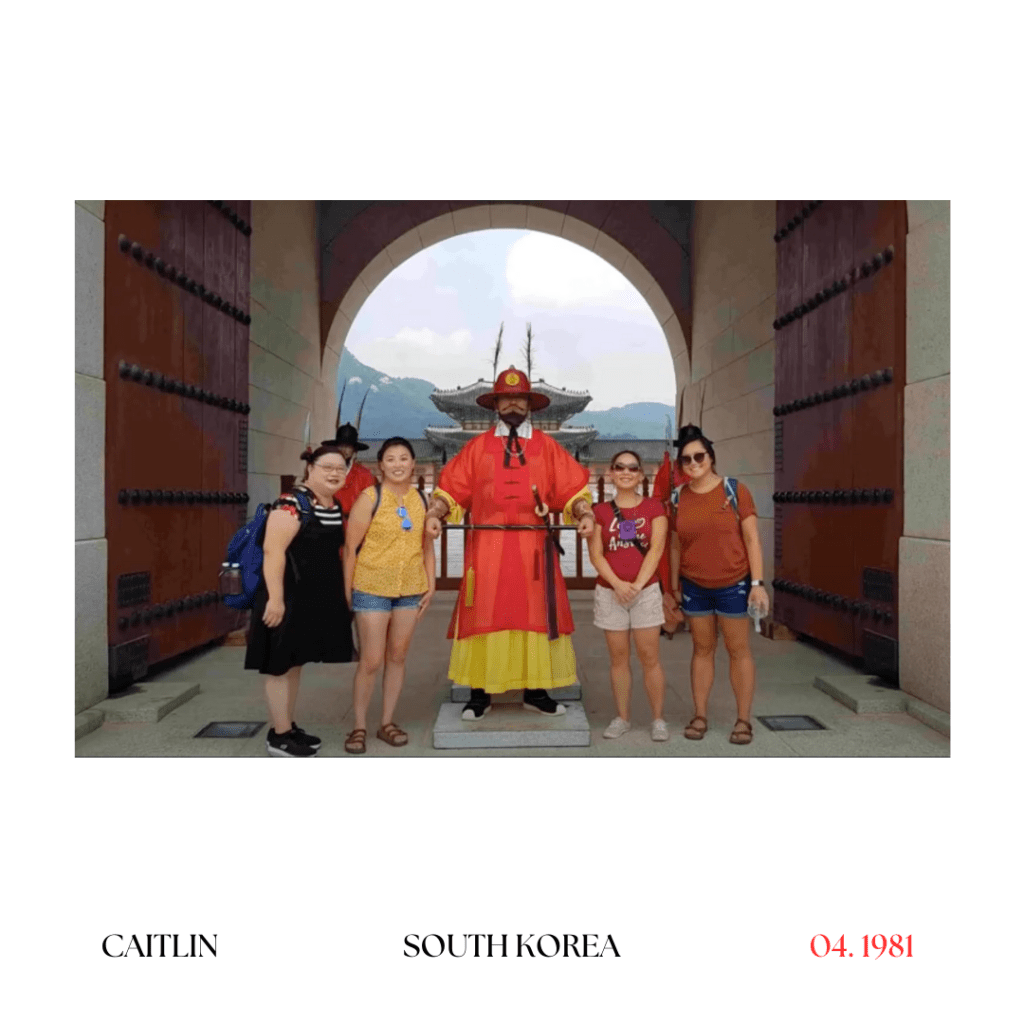
But I think the biggest pivotal moment was when I went back to South Korea in 2019 and visited my adoption agency. It turned out that all the adoption records that my parents got when I was adopted were all a lie, a lot of the files were falsified and when I visited the adoption agency, I found out that my parents were actually married at the time.
But my adoptive parents were told that it was a one night stand and they weren’t married and that my father left, but they were actually married and had three daughters. So somewhere out there I have 3 biological sisters I never knew about until 2019.
So that was a big moment for me because I grew up as an only child and to find out that I had three sisters and never knew about was a big deal. But it wasn’t a sad thing for me.
When I went back to South Korea, I felt comfortable, even though the language barrier was a big thing, I didn’t feel that out of place, which was nice because a lot of times you go to different countries and there’s some culture shock.
When I was walking around South Korea with a group, I just felt really comfortable. Everyone was super nice and I was staying with host families and some of them even were apologizing for how it was back then in the 80s and were like ‘oh we’re so sorry that our country was sending all these kids out’. They were being really nice and it was nice.
Nicole: What a whirlwind of information to receive.
Yeah, I have three sisters out there that I never knew about, so that’s kind of nice.
Nicole: Did you go with an adoption return trip through Children’s Home or AdopteeBridge or solo?
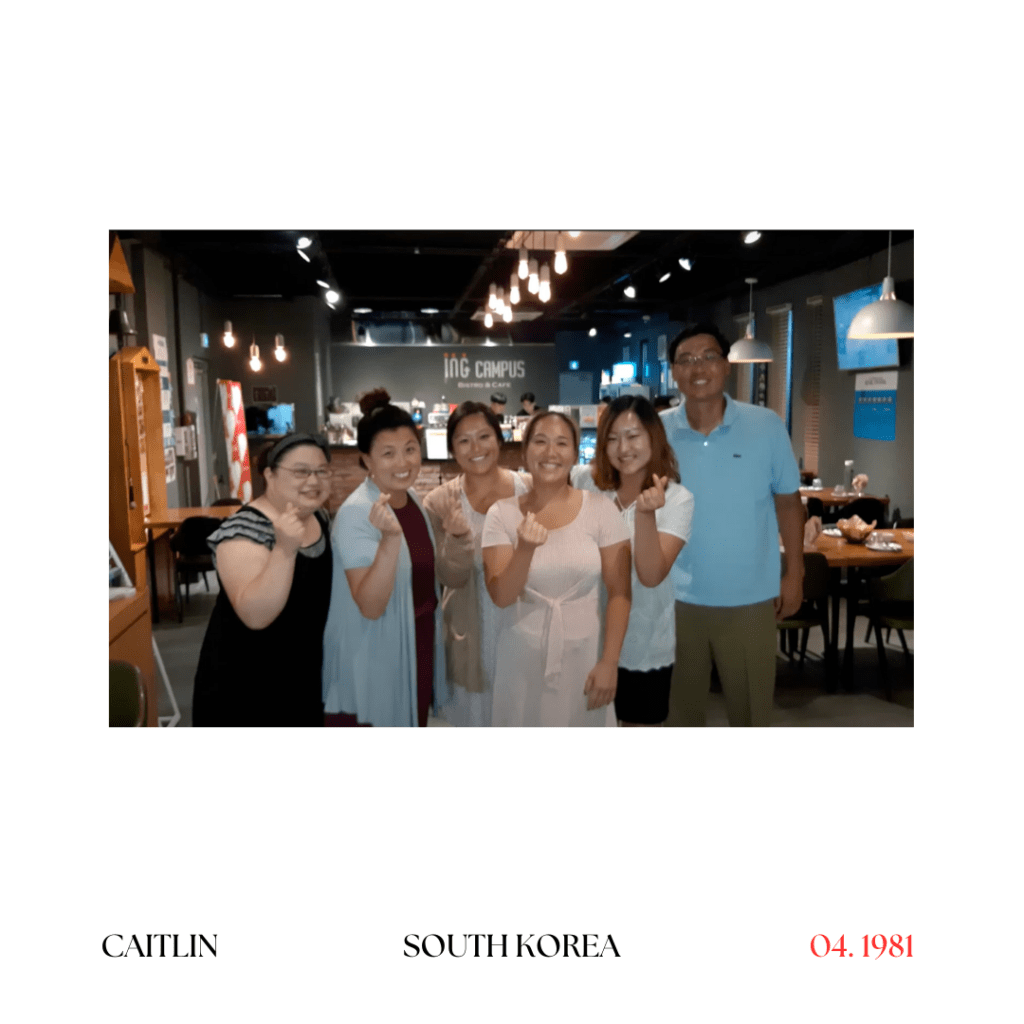
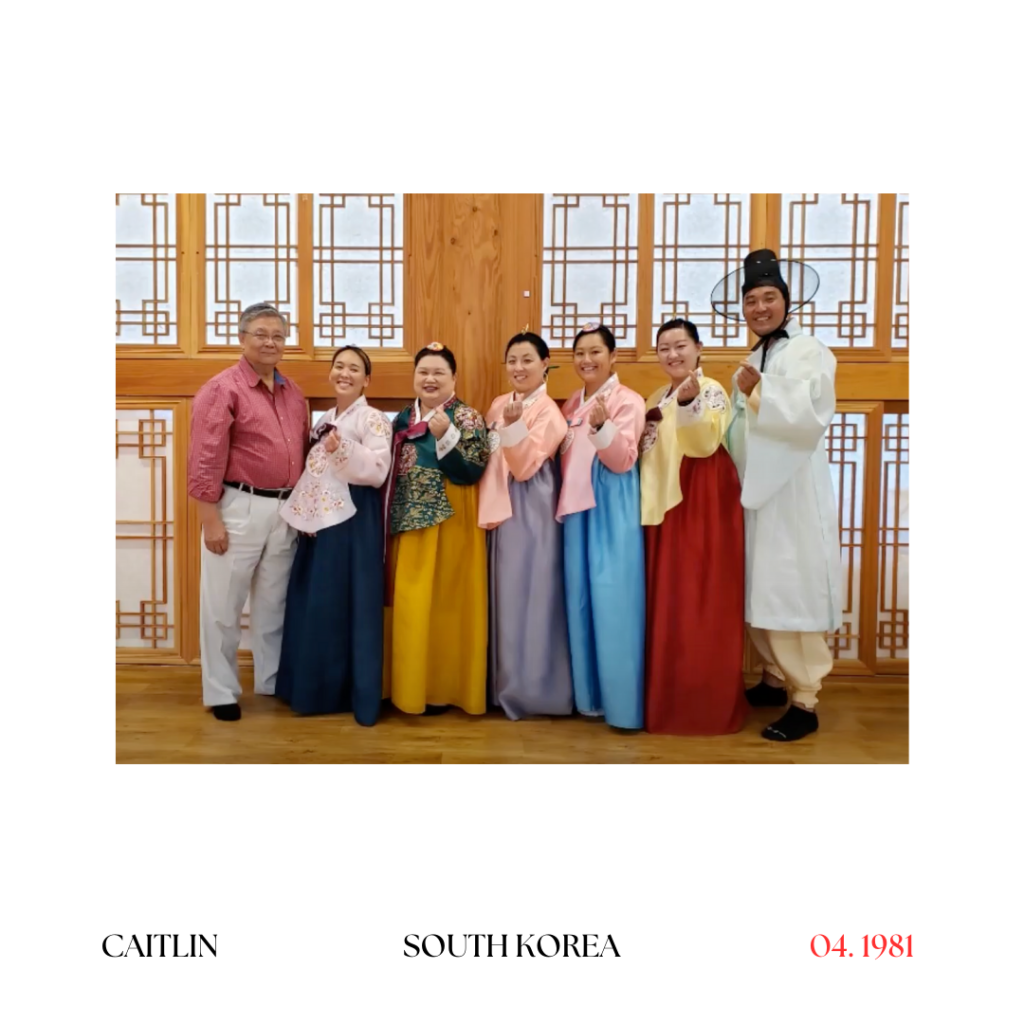
I went with a church group that’s through a Korean adoptee ministry and it was a spiritual journey type of trip. So I was gone for two weeks and the first part was going from city to city like Seoul and Busan and we stayed in the mountains and we stayed with host families and they fed us and we didn’t have to pay for any food and I got to talk to other families.
We visited other churches and it was very interesting. And then the second part was the spiritual journey, we talked about what our adoption meant to us and if we had any issues to talk about and we wrote a letter to our birth mom. We were just trying to get out our feelings of what it really meant to us because a lot of us really don’t think about it until we take a moment to sit down and talk about it.
Nicole: For sure, that’s cool. That’s nice that it was with an organization that had everything set in place for you guys.
Yeah, it was nice. I didn’t have to get lost or anything I was with the group the whole time.
Nicole: Do you have anything else to add to the pivotal moments?
Yeah, I think it was just, going back to South Korea and having my own kids. I mean, you always have to deal with personal issues that come up, so when I got divorced I had to deal with the whole abandonment thing.
And when my adoptive mom passed away in 2019, it was hard because she was the only mom I really ever knew. I think going through those tough times is the time when you start to think about being adopted. I think the only thing I ever thought about in my life that was reoccurring was what would my life be like if I stayed in South Korea?
Because I’m pretty sure my life would have been totally different considering the times back then. And I’ve heard stories where babies were left in garbage cans or whatever. And so you never know what would have happened to us if we weren’t adopted. So I think when times get really tough and I would think ‘ohh I wish it never came to America’. I really don’t mean that, but it’s kind of the thing where I wonder what my life would have been if I was left in South Korea instead of coming to America.
So I think when I have to go through those hard times, I get angry. That’s the time I really think about my adoption the most, in a negative way, I would say most of the time it’s a positive experience. When I’m angry or frustrated or sad, I’m, man, ‘what would life have been like in South Korea? Where would I be?’. I think that the biggest thing is just those issues that come up that every adoptee, probably at the worst times, has to deal with.
How do you feel about adoption as an adult? Do you think that your perspective about adoption has changed over the years?
I think adoption is a good thing. I know a lot of people when they grow up, they’re like ‘ohh it sucks, you don’t get a chance to be with your real family’. One of the issues that comes up is that people think that since we’re adopted, we’re pro-life. I am pro-life, but I know a lot of people think that just because we’re adopted we are all pro-life. But I think my biggest thing is adoption is a better option than getting an abortion or anything and that’s just my personal belief.
But I think adoption as a whole is a good thing, but people have to realize that adoptees may not always have a good life. They may struggle with identity issues, and they may struggle with abandonment issues and stuff like that. And that’s the biggest thing with being adopted, especially international adoptees that they think we’re okay because our life is better here and we’re always going to have issues that other people may not have.
I mean, I know that I have issues. I’m not saying I don’t, just because I have a good life. It’s just something that you deal with and some people have mental health issues and they don’t always deal with it as well as others. But the biggest thing that I think falls through the cracks with adoption is a lot of Americans don’t really know that there are lots of Korean adoptees that may have issues. Because we’re a minority, they don’t really understand us. If you’re going to adopt, know the issues, know what your adoptees are going to go through, don’t just assume that their life is okay because you gave them money and provided stuff for them.
Do you have any last remarks?
I just want to say that I’ve always thought it was cool to be a Korean adoptee. I don’t know why. I like being different than other people and I like being Korean. For me it’s cool. And yeah there are moments where I have to look in the mirror and remind myself I am still Korean. Even with my kids and growing up in America, my own kids don’t think I look Korean sometimes because I’m so Americanized.
But other than that, especially when I went back to South Korea, I feel like that has helped me with my Korean identity because I mean I’m completely American. But when it comes to that Korean side of myself, it’s that trip to South Korea that really helped me claim that side. I don’t really know the language any better, but I think I eat more Korean food these days and I know a lot of Korean adoptees in Minnesota now. And I’ve met with them, and connected with them. So, I think my biggest thing as I’ve gotten older is that I’ve tried to find that Korean identity within myself.
Do you have any advice for other adoptees who have gone through similar experiences?
Well, if you haven’t gone back to South Korea, I definitely recommend that. It’s a big trip that I think every Korean adoptee should go on because it helps you identify where you were born, and what being Korean really means to us. Because growing up in America, we’re pretty much fully Americanized and I think that every Korean adoptee should go to visit South Korea if they can. And if you have those issues come up, just remind yourself that we’re special. Everyone has their own issues and I think our issues just make us special because not everyone can understand what we go through.
Enter your email below to follow along.

© Rebirth Adoptee Stories

 Rebirth