
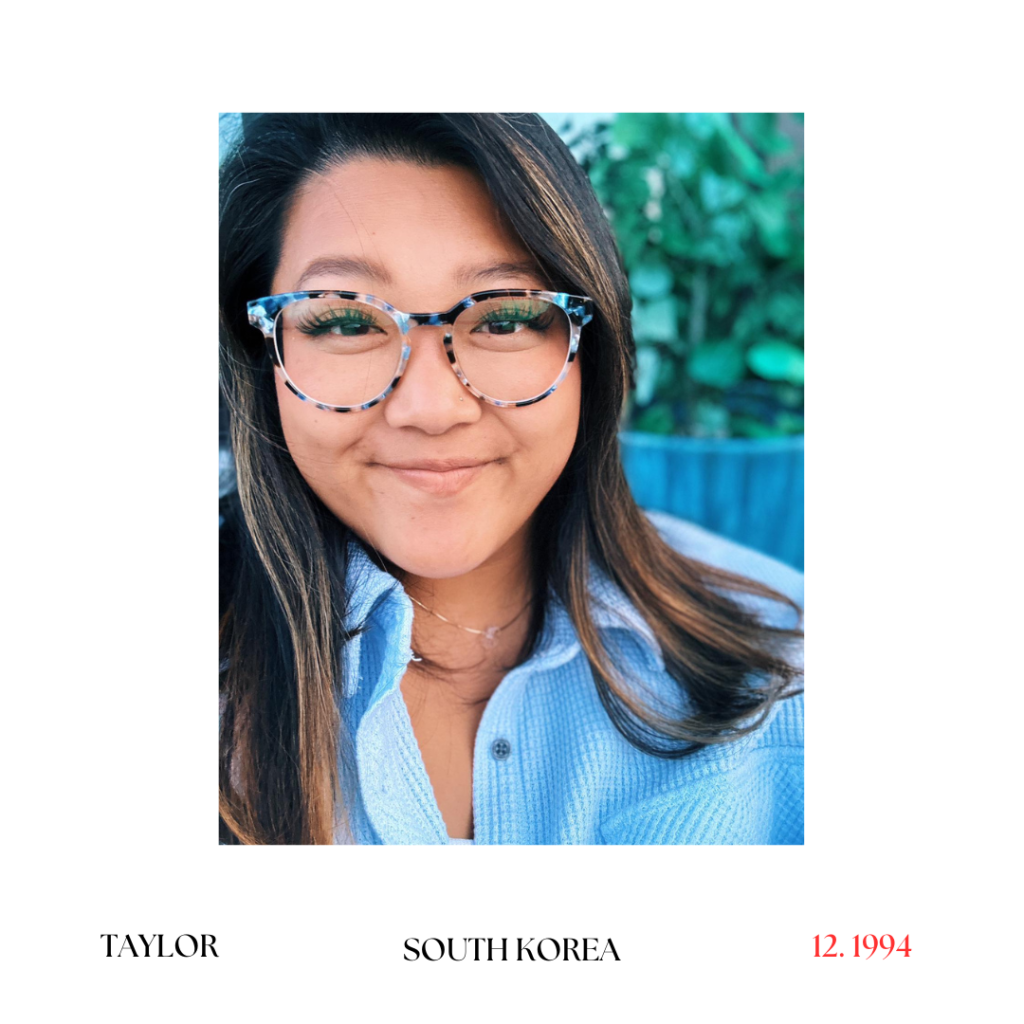
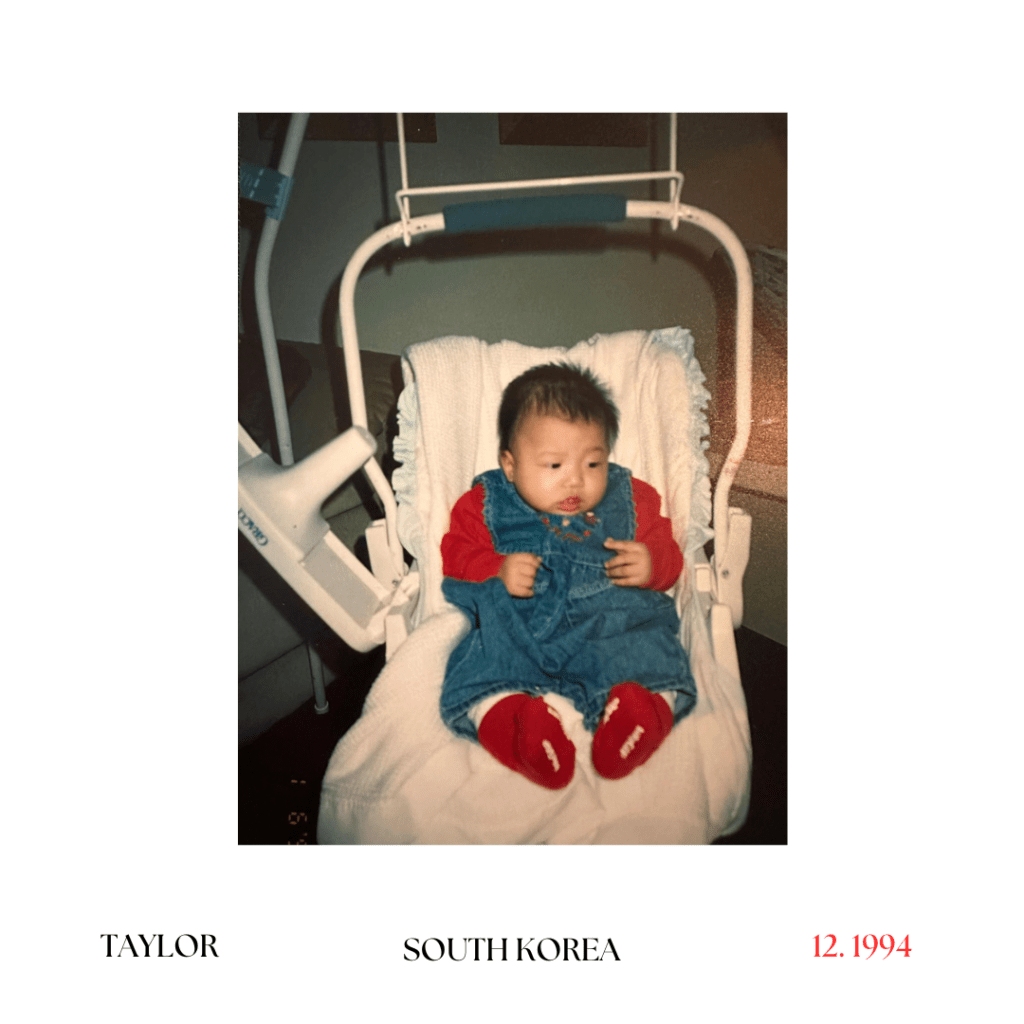
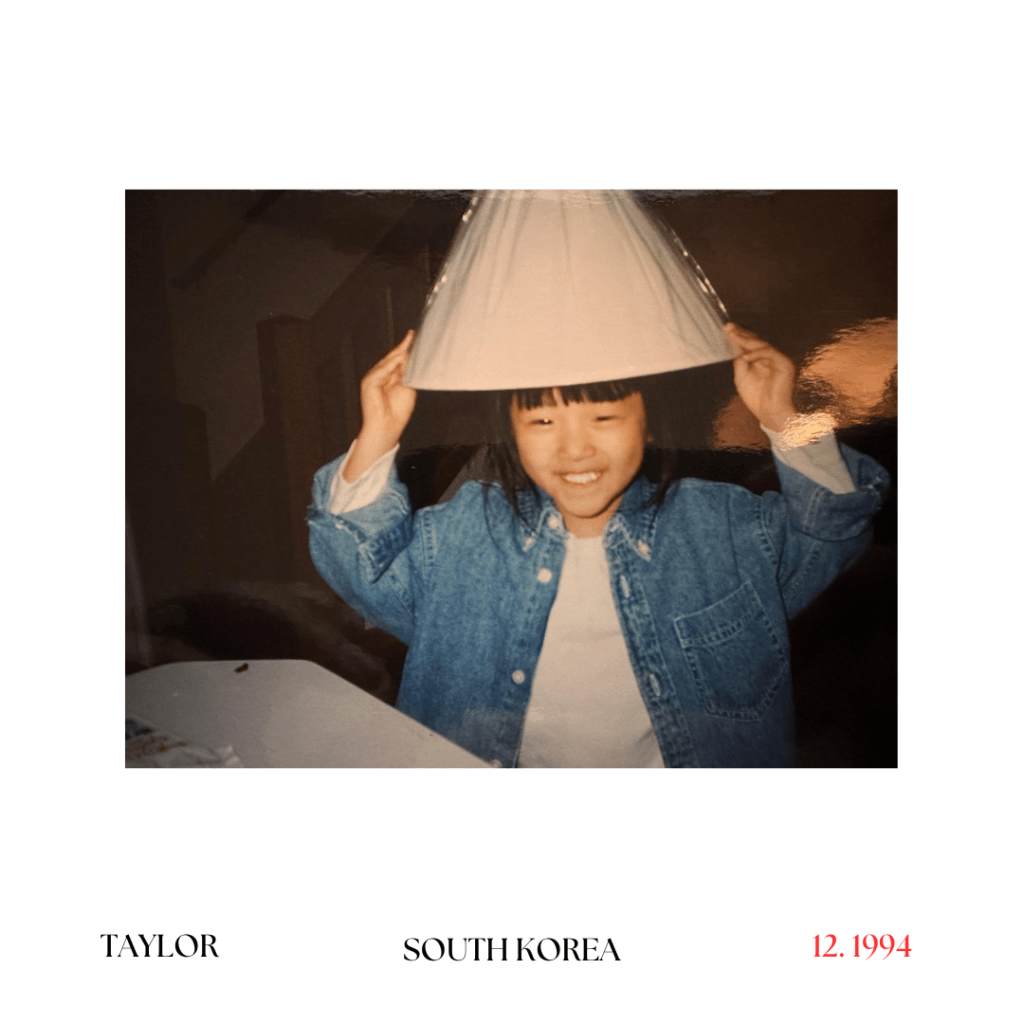
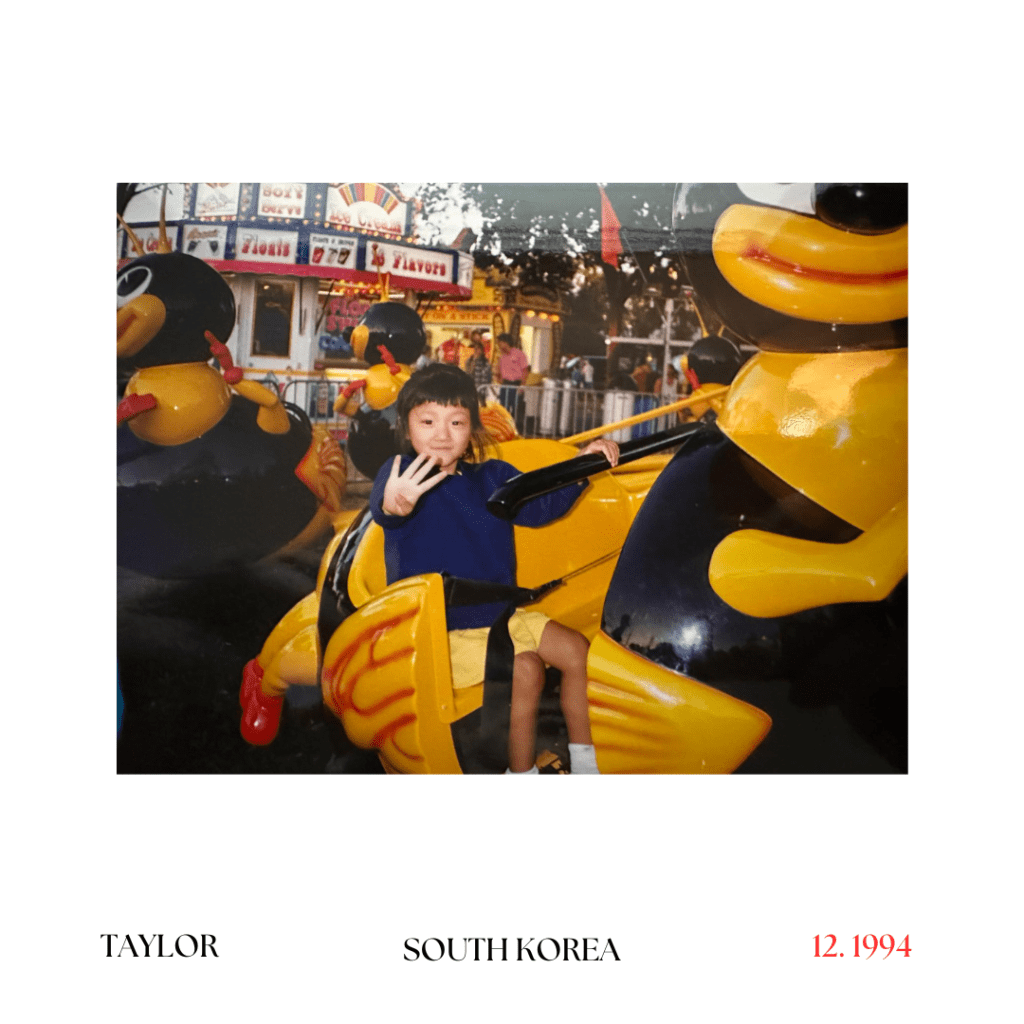
I grew up in Eden Prairie, MN and I am living in Minneapolis right now. My parents always told me I was around three months old when I was adopted from South Korea.
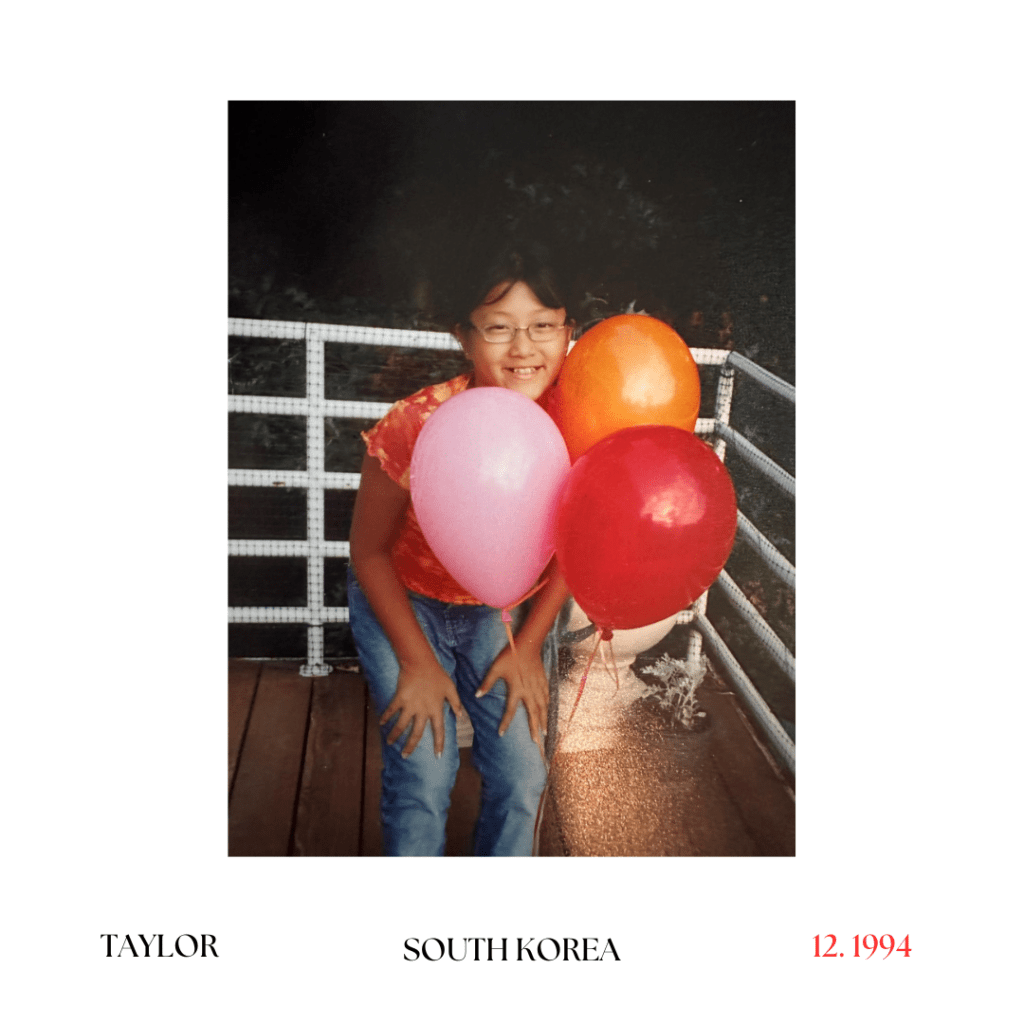
Growing up my mom would always read me this book called I’m Adopted which went through this story of how their parents couldn’t have a kid and they decided to adopt. And that was the narrative I was told growing up and it was pretty obvious I mean, I’m an Asian baby with two white parents. Visually it made sense, right? My parents were really great at trying to integrate us in Korean culture so they would take us to Korean restaurants, they would have us participate in Korean Culture Camp and it was really nice because I had two other neighbors who were also adopted from Korea. So I grew up having some people look like me, but not everyone, and I think I had one other person in my grade who was adopted from Korea.
Faith was a very big part of my adoption growing up, my parents were Christians and so, I grew up in a Christian home. We went to church every Sunday, and on Wednesdays too. And I became really, really active in it. Faith played a really big part in the adoption narrative that I told myself.
I told myself that God chose me and placed me in my family and chose to reveal himself to me through the church that I went to. In high school I was really active in the church and then after I decided to go to a religious school, a private school. But before I went off to college I went to Korea and I tried searching for my birth mom but nothing came of that.
So, that first experience of going back was really like a fairy tale of going to the land where you have been told where you’re from. And actually getting to see people who look like you. My mom couldn’t find me in stores now because other people had black hair and that was the first time I really think I got to connect with other adoptees on a personal level.
Looking back and reflecting on my time in college, I realize now that I was still struggling with my identity. I remember being so excited to share with my new friends all of the Korean snacks. However at the same time I would mimic an Asian accent when talking with others about painting their nails, it was obvious there was some deep internalized racism that I had no idea was there. So then after college I went to Korea again on a tour with a language program, and I got to meet other adoptees. And I also got to meet my birth mom. This was the catalyst that launched me into thinking about what if? what would my life have looked like if I would have stayed with her? If she would have kept me if I actually grew up in South Korea What would my life be like?
She’s such an amazing person. The curiosity really became alive and kicked in. After that time I think I started to question things and I was going through grad school for social work. I started having to do the inner work of finding my own worldview. And learning what the use of self meant and how it would impact my work as a social worker. Through this process I slowly started to deconstruct my faith.
And when that happened, I came out of the fog a little bit more and started to become a little bit more upset at not having control of the narrative of what was told to me growing up and resenting my religious upbringing and coupled with this feeling of being a commodity or a prize. And basically, people wanting to be the white savior for this Asian baby and feeling upset about all the microaggressions I’ve experienced throughout my life.
It kind of came all rushing back to the third time I went to Korea, I went as staff to support other adoptees and that was very pivotal in coming out of the fog because talking to other adoptees who are my age or a little bit older, they started talking about how a baby understands the wounds they feel in the womb. I had never thought of it that way and it really resonated with me. That just continued to push me towards coming out of the fog and reclaiming my own narrative around adoption.
I’d say that’s where I’m at now, is trying to fumble around with this anger about not having the choice of staying in my birth country or not. And then all of the subliminal messages that are being told to you like, “you should feel grateful” or “you would be on the streets”. I’m in therapy now talking about this new experience of being adopted and all the different problems that we experience that the typical person doesn’t experience in their family.
Are there any pivotal times in your life as an adoptee that you can recall?
Yes, actually it was kind of sad, I would cut myself down or call myself banana, I would self-deprecate a little in college. I look back and I cringe so much, I’m just like wow, that was really racist.
Nicole: I did the same thing. But we were making the jokes first, so then someone else doesn’t make them because then we’re in control, you know?
Taylor: Yeah, to take control of that. That was definitely not great, and in high school, someone would tease me by saying, “ohh you eating chicken and rice for dinner” or whatever just stuff like that and looking back, clearly this person was jokingly teasing me because he was poking fun at the girl you like, kind of thing but it’s still not the best feeling.
My parents are great. I didn’t experience any abuse growing up, I was provided a really healthy childhood, but also there could have been things that could have been better. Now I know how complicated these feelings are because I still love these people, but also I’m mad at some of the things that I wasn’t given. Like an older Korean Adoptee who I could look up to, who could guide me, who could understand this experience or be a mentor, I think that would have been really helpful when I was young.
I was left to experience these microaggressions and racist comments, on my own and I didn’t know how to process it. I think now I am starting to process it and I’ve been more angry that I didn’t get the support I needed.
Nicole: I for sure relate to that feeling. Can you talk a little bit more about your trip and the trips you’ve helped lead as an Adoptee Support Staff?
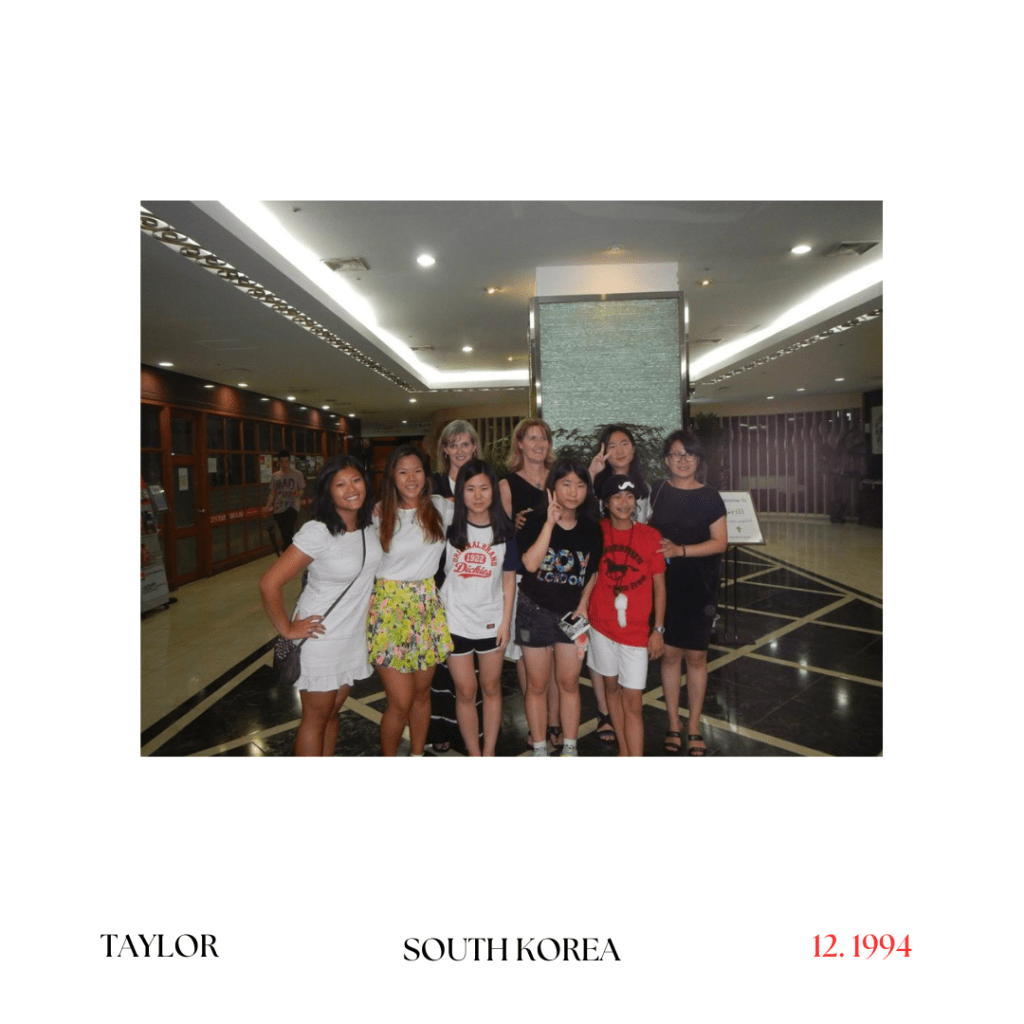
I went as a staff member and it was so cool. It felt like coming full circle. I remember the first time I went to Korea, it was so overwhelming, so overstimulating, I didn’t really know how to feel, I was just really overwhelmed. And getting to go back and support other Korean Adoptees and seeing them connect with each other, there’s something about having that shared understanding of going through those similar experiences.
It felt so healing, I was going as a support staff, but I myself was going through this healing process alongside them. It’s not like you can go and talk to your parents about it, right? They’re not gonna get it, they’re just not.
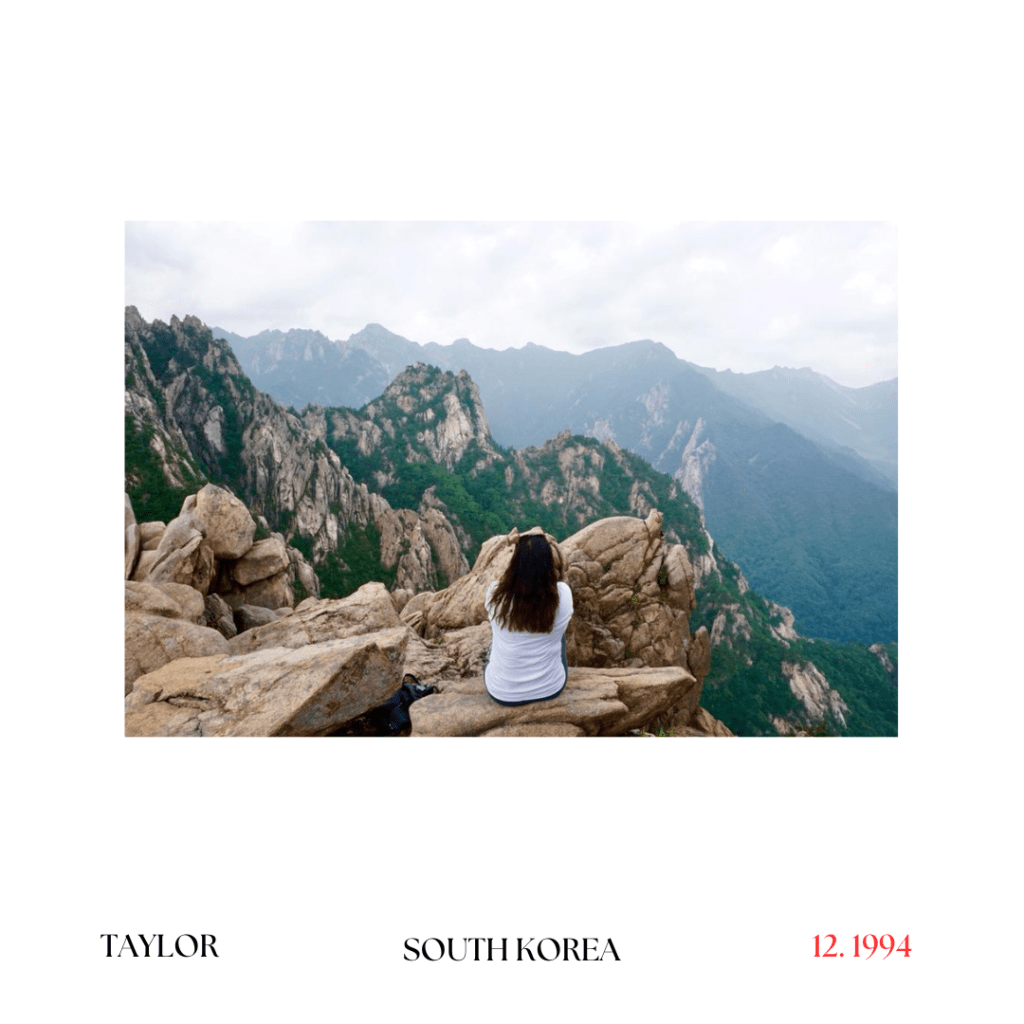
I was able to go back to Korea this past fall on my own and meet up with my birth mother. This was the first time I actually got to physically be in South Korea with my birth mother since we were separated. It was the most surreal experience. One memory that will stick with me forever was getting to stay in a traditional Hanok, which is this traditional house, in Seoul. We tried on Hanboks together and took pictures. It was the most beautiful fall morning and I felt so happy in that moment. I actually started to become quite emotional.
I never in a million years thought that I would be so lucky to be able to experience that with my biological mother. Afterwards we went and got coffee and she held my hand and told me to be happy now because we found each other. I remember again starting to cry because it felt like I was holding my breath with all of this pent up energy of feelings of anxiety, frustration and anger about my adoption and hearing those words from my birth mom, felt like an almost release from that anger.
This time around it felt like I was able to claim South Korea as my own. I was able to make the calls of where I wanted to go and I felt so at ease and comfortable in Seoul. All of my other times I have gone back to Korea was through an agency or with a birthland tour. In the past I was having my own experiences, yes, but also was so constrained by the schedule of a program or a tour. This time I was able to see Korea fully through my own lens and not someone else’s.
Thinking about when you went back to Korea, is there a place that you feel more home, Korea or Minnesota?
The sense of belonging for me as an adoptee hasn’t become an issue until the past few years. I definitely attribute it to my religious upbringing, because there was such a strong sense of belonging in that community, and being surrounded by other Christians, and that played a lot into I think, masking, ‘oh, yeah, I have community and they fully accept me’ and at that time growing up, I feel like I would, at times feel not fully included in Minnesota.
Just knowing that I look different, I don’t have blonde hair, I have more almond shaped eyes and my skin is darker. There were times where I definitely did not feel included. And I think I shoved that down and told myself, ‘Oh, yeah, that’s okay, you’re still in the Christian community, they still love you’. I’ve gone back to Korea five times now, and each time I feel like it’s just another peeling of the onion. Each time I go back to Korea, I learn so much about myself.
The first time was just so overwhelming like, “oh my gosh, I’m actually going to this place that I’ve heard about my entire life”. And I know that I’m literally from here, but it’s going back for the first time. It brings up a lot of emotions. Adoptees kind of talk about this idea of ‘the fog’. I would say I was still in ‘the fog’ when I went the first time for sure. And what ‘the fog’ is to my understanding is the narrative that your parents told you growing up about your adoption. You know, your birth mom, she loved you so much. She placed you for adoption. And God loved you so much that he placed you in this family. And then also the narrative that you tell yourself growing up.
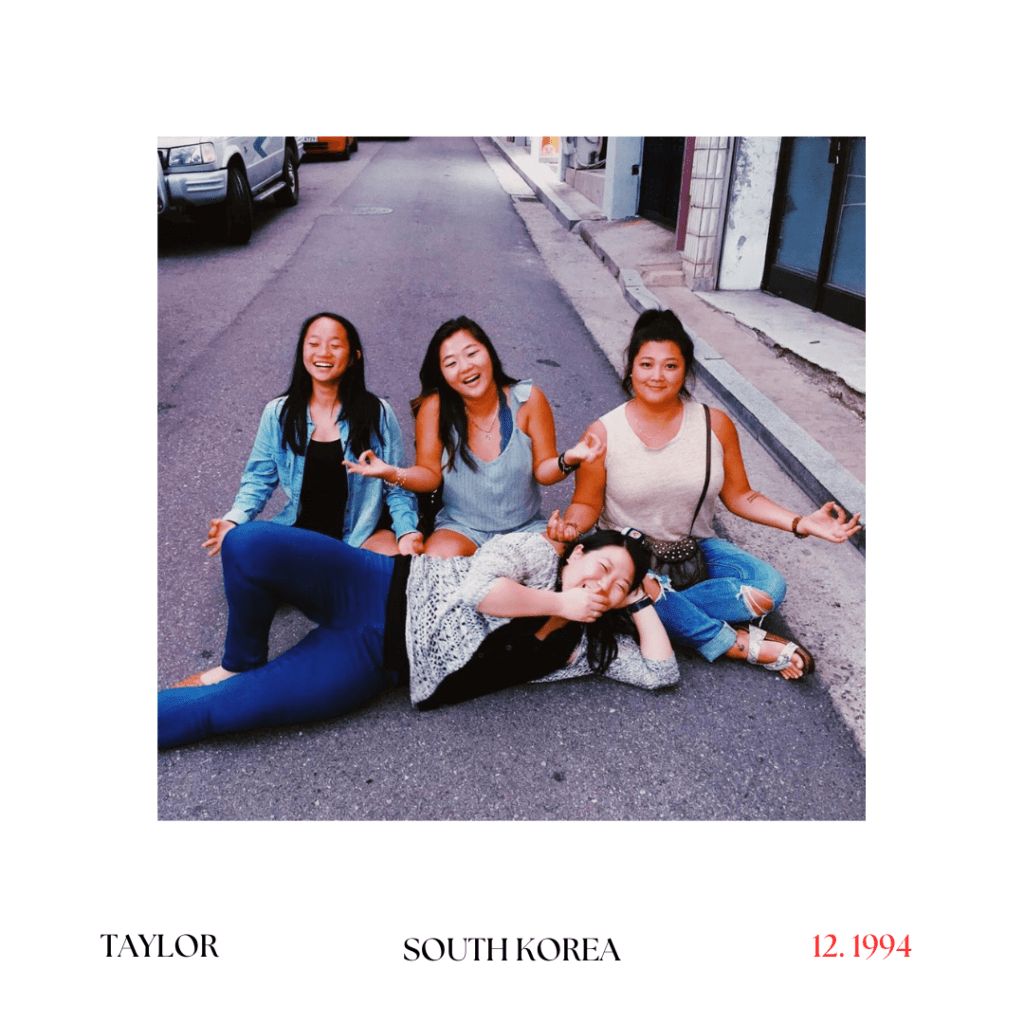
And the second time I went back to Korea, was for a language program, and I met amazing, wonderful people. And I think that’s kind of when it’s set in a little bit more that I don’t fully belong in Korea, either. I grew up in America, so I’m much louder, and I talk a lot and laugh loud and dress differently. And now, looking back, I think, as the years have gone by, where I feel like I belong, is definitely with other Korean adoptees.
My friendships with other Korean adoptees have been nothing but amazing. And there’s this sense of I don’t have to over explain my human experience, my life experience, I don’t have to go into great detail about ‘oh, yeah, I experienced this stupid microaggression the other day’, they just understand, they get what it feels like to not fully belong in your own family.
And then also in the country, where you’re from, feeling like you don’t fully belong either. It’s kind of like, well, ‘where do I actually belong?’ And I feel like I have definitely found that belonging in my adoptee friendships. There’s just a strong connection there. And I think they have also helped me realize that I personally think adoption is trauma. It’s pretty traumatic. It’s just such a unique experience of growing up in a white community, especially within Minnesota, predominantly white Evangelical, and all the nuances with that. And then your identity is also something that you kind of have to struggle with too. Adoptees have a very unique experience, and not everyone can understand it. And it’s a breath of fresh air when you talk to other people, and you don’t have to explain that.
Do you have any last remarks?
Reach out to other people that you know who are adopted. And I mean I hope that people don’t isolate themselves. It’s so healing for me to talk to other people who are adopted and have those conversations because feeling seen and feeling heard is very validating, it is very amazing. It feels really good.
Do you have any advice for other adoptees who have gone through similar experiences?
I would say, be kind to yourself. And don’t “should yourself”. Being like ‘ohh I should be doing this or I should be doing that’, because healing is going to look very different for everyone. And not everyone’s going to have the same journey, so do what feels good for you. Listen to your body. Listen to what your inner voice is telling you, because it is true.
Enter your email below to follow along.

© Rebirth Adoptee Stories

 Rebirth